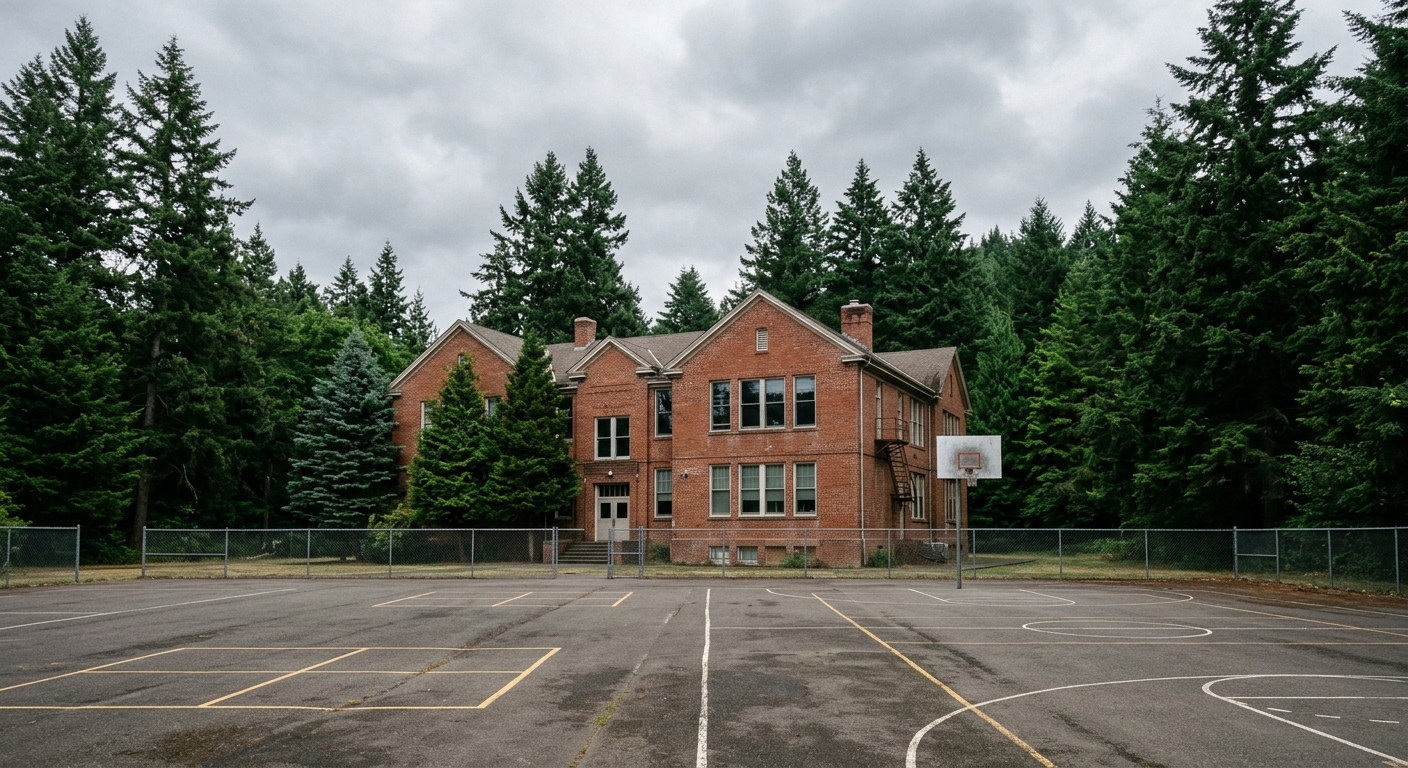
AI-generated illustration; not a photograph of the reported event.
- calendar_today October 29, 2026
Edmonds School Board Approves First Boundary Adjustments in Decades
The Edmonds School District board voted 4-0 on Tuesday to approve boundary adjustments that will take effect in fall 2028. This marks the first significant change to school boundaries in the district in nearly 30 years, aimed at better balancing enrollment across elementary and middle schools.
Background and Purpose of School Boundary Adjustments
A district-appointed committee has been studying potential school boundary changes since early 2026. The central goal of the adjustments is to help even out student populations, reducing overcapacity at some schools and better utilizing others. The school board’s action adds new attendance boundaries, notably for the district’s new Salish Middle School, set to open in fall 2028. In addition, the district will move sixth grade from elementary to middle schools, increasing efficiency and balancing numbers across grade levels.
Enrollment Considerations and Capacity Planning
District data projects that by 2031, 16 out of the Edmonds district’s 24 elementary and middle schools would exceed functional enrollment capacity if no changes were made, while others would have fewer than 70% of seats filled. With the approved adjustments, only six schools are expected to be over capacity. School board members stated that the revised elementary school boundaries and middle school catchment areas will provide a more equitable student enrollment balance.
Parent Concerns and Community Response
The board’s decision has been met with passionate feedback from families across the district. During the public comment period, more than a dozen parents spoke and 15 additional written comments were submitted, particularly from Hilltop, Sherwood, and Seaview elementary school parents. Concerns included worries about repeated school changes for affected children, dividing neighborhoods between multiple schools, and moves to schools with lower academic performance.
At Sherwood Elementary, parents noted some students could attend four different schools in four years due to construction and boundary changes. Kelsey Reeves, a parent at Sherwood, said the changes could separate students from their classmates and school community. At Seaview, parents questioned the logic of sending students to Lynndale Elementary, which could face new capacity issues, while Hilltop parents objected to being reassigned to Hazelwood Elementary, where academic performance metrics are currently lower.
Policy Compliance and Proposed Alternatives
Citing the district’s own policy—stating that boundary changes should minimize disruption to learning programs and maintain neighborhood groupings—some parents expressed disappointment in the process. Parent Srinath Kotela said a group of Hilltop families is considering legal counsel, alleging the changes violate the school enrollment policy and that parent concerns were not sufficiently addressed. Several parents submitted alternative maps or requested grandfathering current elementary schoolers until graduation, or delaying the vote.
Details of Implementation and Impact
According to school board director Thom Garrard, the new boundaries will reassign about 14% of elementary students in the district. Garrard noted that deciding now gives district staff about a year and a half to plan for a smooth transition and supports the broader objectives of school capacity planning and equitable access. Full boundary change maps and further details are available on the Edmonds School District’s website. While board president Nancy Katims was absent, all members present voted for the plan.
Source: heraldnet.com.