- calendar_today June 27, 2026
WASHINGTON STATE — King County is experiencing a notable rise in homelessness, as the latest preliminary figures from the 2026 Point-in-Time count reveal new challenges for local communities and service providers. This year’s survey shows the king county homelessness crisis intensifying, with significant implications for Seattle and surrounding areas.
Significant Increase in Homeless Population
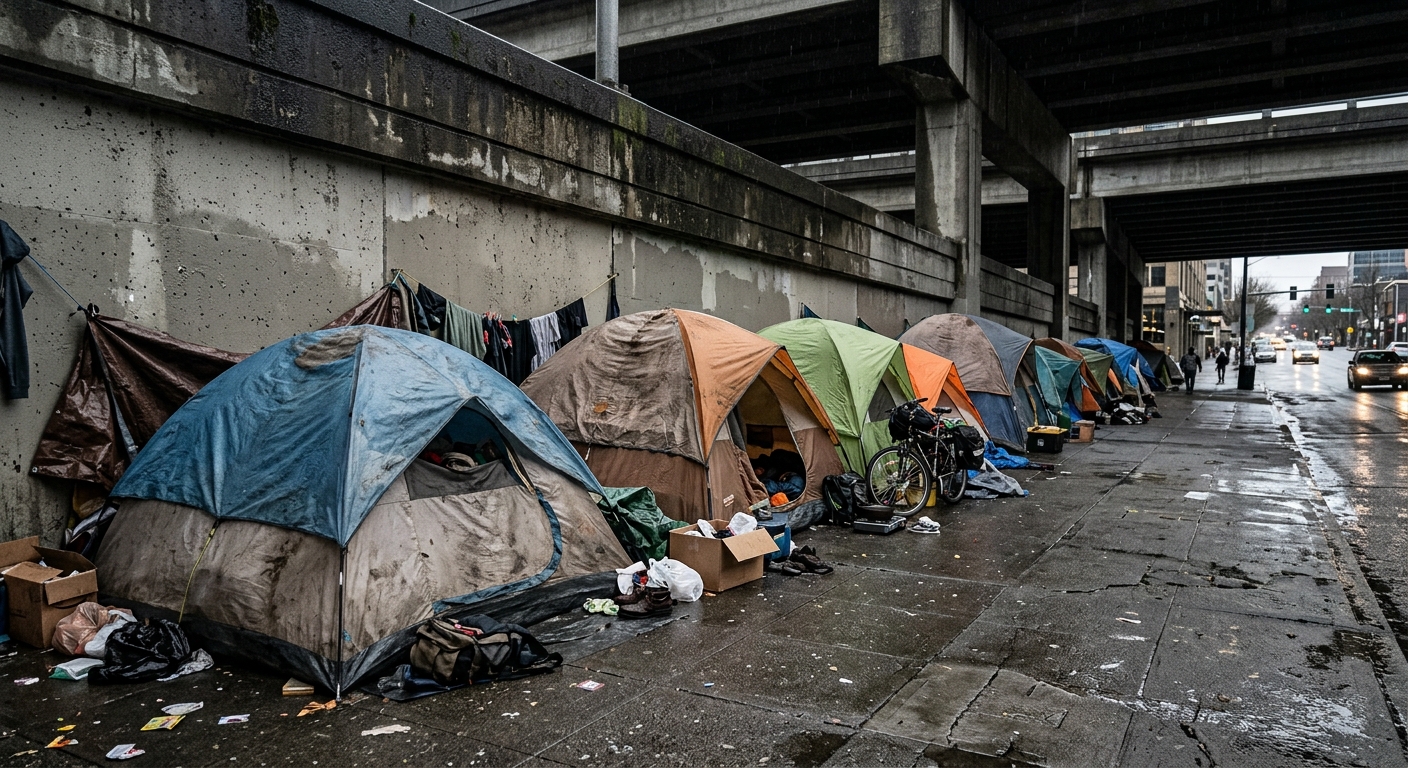
The homeless population increase in King County has reached nine percent since 2024, according to data released by the King County Regional Homelessness Authority (KCRHA). The total number of people experiencing homelessness has risen from 16,868 to 18,365, marking one of the sharpest upticks in recent years. The point in time count specifically identified a surge of approximately 2,000 additional unsheltered homeless individuals compared to two years prior.
Push Factors: Declining Shelter Capacity
The data also highlights changes in homeless shelter capacity. While the unsheltered population rose, the number of people residing in shelters actually decreased by about 500, a situation attributed in part to the closure of an 80-unit family shelter in Bellevue. Advocates warn that King County now faces a critical shelter shortage, with three individuals seeking help for every available bed, intensifying the strain on the region’s homelessness services.
Improved Methodology Attempts Accuracy
This year’s count implemented respondent driven sampling — a method regarded as more precise than previous visual tallies — administered by the king county regional homelessness authority. The authority asserts that the new approach allows for a more elaborate understanding of trends in king county homelessness. However, the methodology has not escaped criticism.
Concerns Over Undercounting Native Communities
Despite efforts to enhance accuracy, Indigenous community leaders have raised alarms over a persistent native homelessness undercount. Many cite distrust in institutional survey processes, posing significant obstacles to full community representation. These concerns underscore ongoing gaps in services and support for Native populations across Washington State.
Addressing Seattle Homelessness and Regional Needs
Between April 2025 and March 2026, more than 10,935 individuals were provided housing placements. Nevertheless, persistent seattle homelessness and regional shortfalls remain daunting. Service providers and advocates are calling for continued—if not expanded—investments in homelessness services to keep pace with new and existing needs.
Housing Affordability and Long-Term Solutions
Experts in Washington State emphasize the importance of housing affordability as a fundamental remedy. With rising rents and cost-of-living increases identified as core drivers of homelessness, community leaders urge policymakers to protect existing affordable homes and create new options to stabilize vulnerable populations.
Outlook for King County and Local Communities
For King County and its diverse communities, the 2026 data serve as a call to action. Observers point to the necessity of both immediate and systemic measures to reverse the homeless population increase and to ensure all residents, especially the most vulnerable, have secure shelter. Regional stakeholders, including local governments and nonprofit agencies, continue to champion policy reforms and resource allocation aimed at closing the shelter gap, addressing unsheltered homeless challenges, and fulfilling unmet needs across Washington State.