- calendar_today October 15, 2026
Everett Council Passes Major B&O Tax Code Revision
The Everett City Council has approved the first major rework of its business and occupation (B&O) tax code in more than two decades. The council's unanimous decision on Wednesday brings significant changes that include higher exemption thresholds for small businesses and new allocations for economic development projects.
Significant Changes to Business Tax Structure
Previously, Everett's B&O tax applied uniformly across four business sectors—retail and restaurants, manufacturing, wholesale, and services—with a 0.1% rate on annual revenues. Only companies earning under $20,000 per year were exempt from the tax.
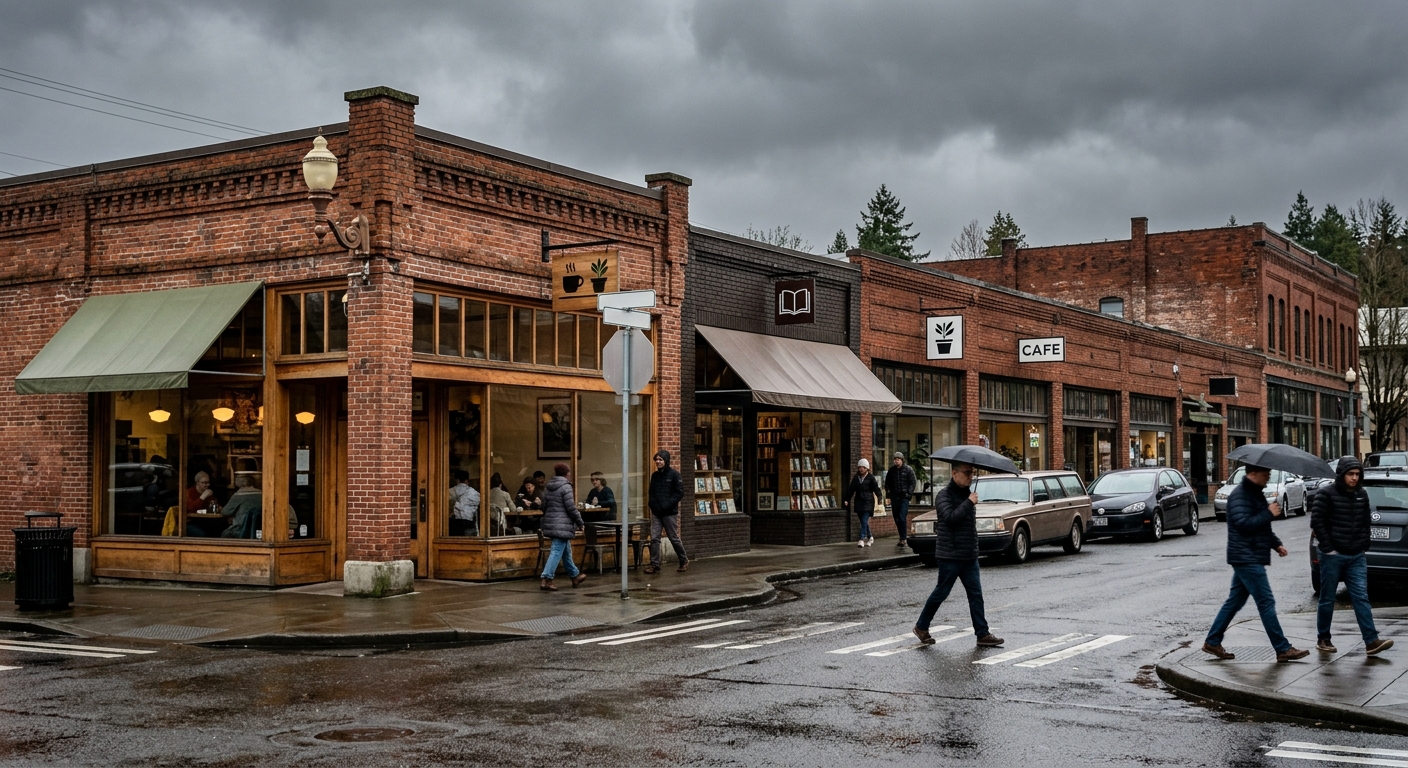
Under the new ordinance, the exemption threshold rises to $250,000. This revision exempts about 3,000 additional businesses, resulting in a total of roughly 6,500 out of Everett’s 9,000 businesses no longer owing B&O tax. The change is expected to provide meaningful relief for small businesses, an outcome praised by city officials and council members alike.
Tax Rate Adjustments Across Business Sectors
The tax code rework introduces different rates for industry sectors:
- Manufacturing: Increased from 0.1% to 0.12% of annual revenues.
- Wholesale and Services: Increased from 0.1% to 0.15%.
- Retail and Restaurants: Decreased from 0.1% to 0.075% due to the slim profit margins characteristic of these businesses, which represent Everett’s largest business category.
Deputy Mayor Mike Fong estimated that about 2,000 companies in the retail and restaurant sector will benefit from the tax reduction.
Tax Revenue Earmarked for Economic Development and Stadium Funding
The revised B&O tax is expected to generate approximately $3.5 million in new revenue annually. Unlike the existing B&O tax revenue that funds general city services including police, fire, and parks, the new funds will be directed into a separate subfund solely for economic development purposes. Everett Mayor Cassie Franklin affirmed that the allocation is focused on supporting projects that foster growth and opportunity within the community.
A substantial portion of these funds, between $2.5 million and $2.9 million per year, will be allocated to the proposed downtown stadium project, the Outdoor Event Center. The venue is proposed to host the Everett AquaSox baseball team and United Soccer League soccer teams. Everett officials are seeking new funding sources after the projected cost of the stadium increased from $82 million to an estimated $120 million earlier in the year. Other funding sources have included city capital dollars, a state grant, and loans from Everett’s general fund with plans for repayment through a bond measure.
Support Programs for Local Businesses
Additional funds from the B&O tax rework will help launch new teams to assist businesses with city processes such as permitting, and create grant programs for commercial districts. Between $300,000 and $500,000 per year is planned for each initiative. These programs will fund business events, storefront improvements, and marketing efforts in commercial areas, further promoting economic vitality.
Council and Community Reactions
Support for the tax code rework was unanimous among council members. Council member Paula Rhyne noted the benefit to small businesses now exempt from the tax, stating, “These B&O rates have been stagnant for the last 20 years while Everett has not.” Mayor Cassie Franklin described the tax changes as measures that “provide meaningful relief for our small businesses while creating a sustainable way to reinvest in our community.”
The council is expected to approve a budget amendment in 2027 to direct funds to the designated city projects. According to city officials, new business support programs could launch as early as the first quarter of 2027.
Source: heraldnet.com.