- calendar_today April 21, 2026
Comparing Care Models in Regional Schools
Understanding the different care models employed in regional schools is essential, especially in an era where educational quality and student well-being are paramount. Each care model presents unique strengths and challenges that impact student experiences and outcomes. In this article, we will delve into various care models used in these schools, providing insights into their effectiveness and relevance.
The Importance of Care Models in Education
Care models in schools aren’t just about physical health; they encompass emotional, psychological, and social aspects as well. When you think about it, a child’s education doesn’t happen in isolation, and how they are cared for can significantly influence their learning environment and academic success.
For instance, regional schools often serve as community hubs, and the care models they employ can vary widely based on local demographics, resources, and community structures. Understanding these models can help educators, administrators, and policymakers make informed decisions that enhance student welfare and academic achievement.
Types of Care Models in Regional Schools
When we examine care models in regional schools, we notice a spectrum of approaches. Some schools implement integrated care models, while others lean towards more traditional or specialized methods. Here’s a closer look at some of these models:
1. Integrated Care Models
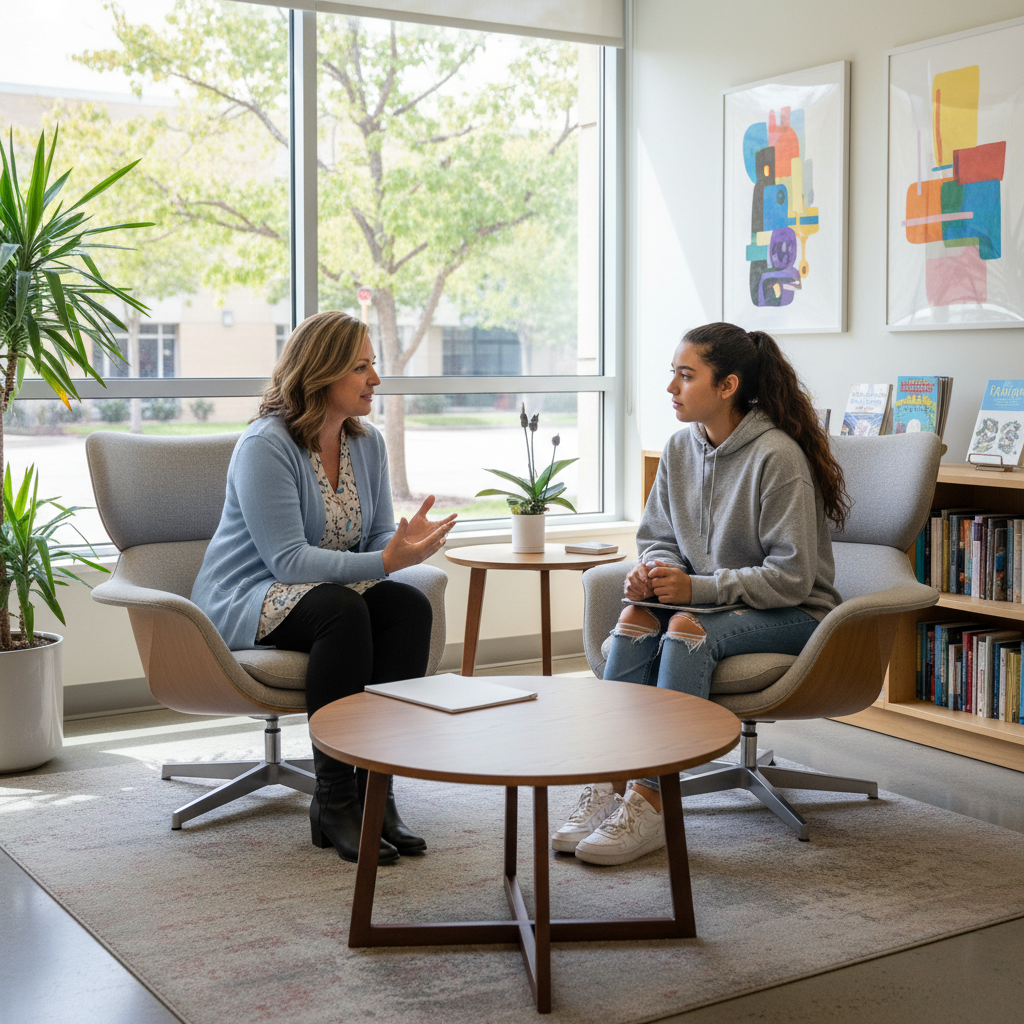
Integrated care models aim to address the holistic needs of students. This means combining educational support with mental health services, family engagement, and community resources. For example, consider a regional school that partners with local health providers to offer mental health counseling directly on campus. This approach not only addresses immediate psychological needs but also fosters a stronger connection between students, families, and the school community.
2. Traditional Care Models
Traditional care models are often more fragmented, focusing primarily on educational needs without incorporating additional services. While these models can still be effective, they may miss the critical support systems needed for students facing challenges outside of academia. For instance, a rural school may have limited resources, resulting in a lack of mental health support, which can lead to increased absenteeism and lower academic performance.
3. Specialized Care Models
In some cases, specific care models are tailored to meet the unique needs of particular student populations. For example, schools serving Indigenous communities might integrate cultural education and practices into their care models. This cultural relevance not only aids in academic performance but also strengthens students’ identities and community ties.
Challenges Faced by Different Care Models
While each model has its merits, they also come with challenges that can hinder their effectiveness. Understanding these obstacles can help you better appreciate the complexities involved in implementing a successful care model.
Resource Limitations
One of the most significant challenges is resource availability. Many regional schools face funding constraints that limit their ability to implement comprehensive care models effectively. For example, a school may lack access to trained mental health professionals, forcing them to rely on temporary or inadequate solutions.
Community Engagement
Another issue is community engagement. Integrated care models require strong partnerships with parents, local organizations, and health service providers. Without this collaboration, the model may struggle to address students’ needs fully. You might think of it like a team; if some players don’t show up, the whole performance suffers.
Measuring Effectiveness of Care Models
A crucial question arises: how do we assess whether a care model is effective? Measuring success goes beyond academic metrics; it involves evaluating student well-being and community satisfaction.
Quantitative Metrics
Schools might look at attendance rates, academic performance, and graduation rates as quantitative indicators. However, focusing solely on numbers can provide an incomplete picture. For instance, a school may enjoy high test scores yet struggle with student mental health issues.
Qualitative Feedback
Gathering qualitative feedback from students and parents can offer invaluable insights. Surveys and focus groups can help administrators understand the community’s perception of the care model’s effectiveness. For instance, one school may discover that students feel safer and more supported when mental health resources are easily accessible.
Case Studies of Effective Care Models
Real-world examples can shine a light on how various care models operate in practice. Let’s explore a couple of case studies that illustrate the potential benefits of effective care models.
Case Study: The Holistic Approach in Queensland
A school in Queensland, Australia, adopted a holistic approach to student care by integrating professional counseling services into the school day. They noticed a significant drop in students reporting anxiety and bullying incidents. The model not only helped students address their mental health issues but also led to improved academic performance and a more inclusive school culture.
Case Study: Cultural Competency in Northern Canada
In Northern Canada, a school serving Indigenous students emphasized cultural competency in its care model. They incorporated traditional knowledge and practices into the curriculum while providing mental health support tailored to cultural needs. This approach resulted in higher school attendance and improved cultural pride among students.
Future Directions for Care Models in Regional Schools
You might wonder what the future holds for these care models in regional schools. With advancements in technology and an increasing focus on mental health, we can expect an evolution in how these models are designed and implemented.
Leveraging Technology
Telehealth services are becoming more accessible, particularly in rural areas where on-site mental health professionals might be scarce. Schools can leverage technology to provide remote counseling services, thus expanding access to vital support.
Emphasizing Mental Health Awareness
As mental health awareness continues to rise, educational institutions are likely to adopt more robust frameworks that prioritize students’ emotional well-being. This shift could lead to more integrated care models that include community stakeholders and health service providers.
Conclusion
Understanding the different care models employed in regional schools paints a complex but insightful picture of educational support. Each model presents its challenges and strengths, ultimately affecting student outcomes and well-being. As you consider the future of education, think about the care models that can foster a holistic learning environment while addressing the unique needs of your local community. After all, successful education isn’t just about academic achievement; it’s about nurturing well-rounded individuals prepared for life beyond the classroom.