AI-generated illustration; not a photograph of the reported event.
- calendar_today November 21, 2026
The Changing Landscape of Capitol Hill Office Space
Capitol Hill has experienced a dynamic shift in the way businesses utilize office space, with both established companies and emerging startups finding opportunities in a new generation of workplaces. The neighborhood now hosts a vibrant mix of tenants, ranging from global names like Duolingo to small local entrepreneurs, all adapting to changing work models and real estate trends.
Duolingo's Investment in Sustainable Workspace
Language-learning giant Duolingo is among the major firms investing in Capitol Hill office space. According to City of Seattle construction permits from November 2026, Duolingo allocated $18,000 for interior changes, including the installation of a dedicated lactation room in its fifth-floor office at the net-zero energy Bullitt Center on 15th and Madison. The company’s Seattle team, which includes several dozen staffers, occupies 7,940 square feet in the six-story building, allowing it to customize its workspace while maintaining a strong local presence.
Flexible Solutions for Startups and Entrepreneurs
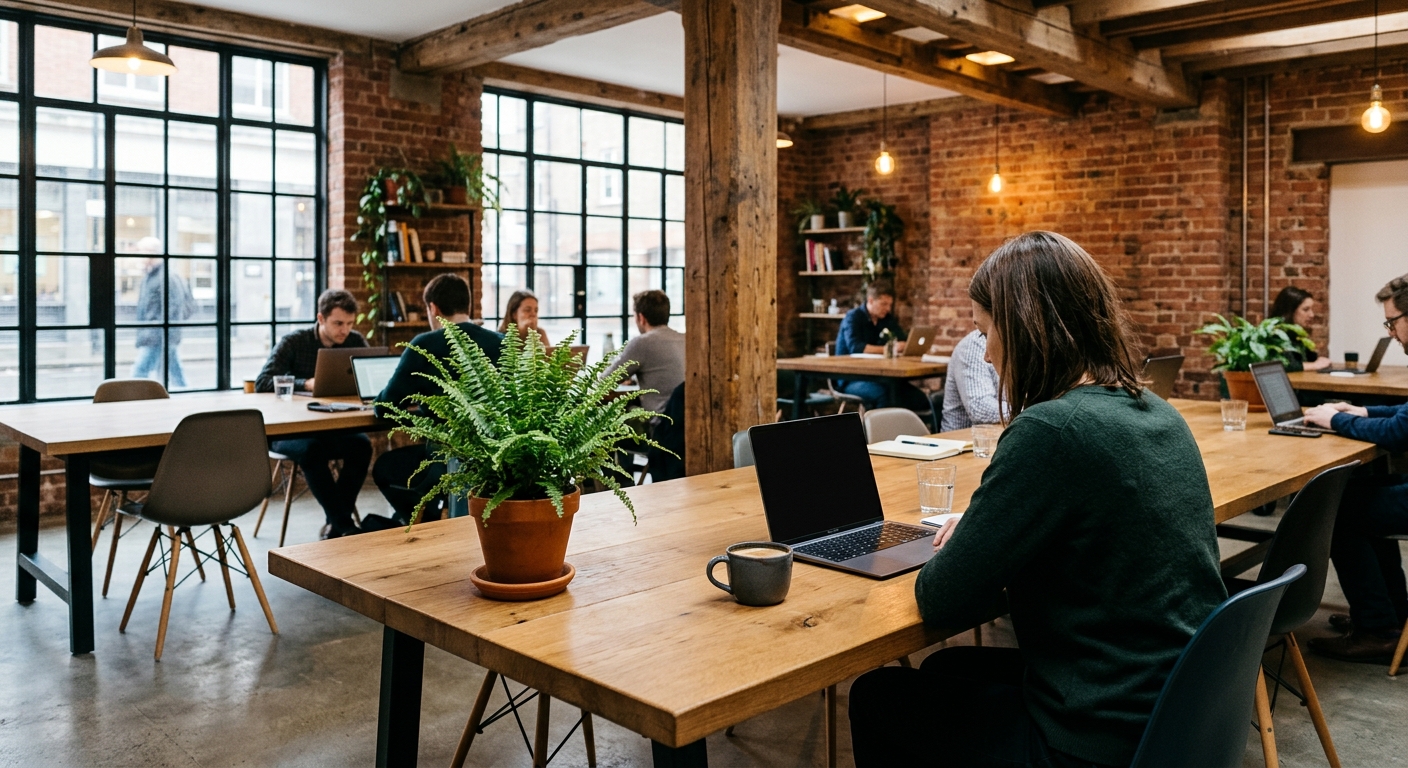
While larger firms like Duolingo can absorb the costs associated with traditional commercial leases and specialized buildouts, smaller enterprises are increasingly turning to coworking spaces and office rentals as practical alternatives. These shared workspaces, such as CENTRL Office and The Cloud Room, offer affordable options with shared amenities, reducing upfront capital requirements and ongoing overhead.
Kaitee Quinn, general manager at CENTRL Office, highlighted how remote work and hybrid work trends are influencing demand: "I think we’re filling a need that has been created by everybody preferring remote and hybrid work now. You get to choose to come to a space that’s beautiful, that’s lively, and meet people in your neighborhood."
Office Vacancy Rates and Market Trends
The broader office market in Seattle remains in a state of adjustment. According to commercial real estate firm Kidder Mathews, the city’s overall office vacancy was at 27.7% in Q3 2026, but Capitol Hill and the Central District outperformed downtown, with a vacancy rate of just 10.5% across 4.8 million square feet—far less than the 35% seen downtown. CENTRL Office reported a significant 30% increase in occupancy over the previous year, highlighting the appeal of flexible office environments in neighborhood settings.
Supporting Small Business Growth and Community Atmosphere
Flexible office solutions aren’t just cost-effective; they also foster a sense of community and support business growth. Jill Cronauer, president of Hunters Capital, notes that affordable small office spaces in buildings like the Ballou Wright "are acting as an essential step down if an organization is resizing and downsizing." The building houses diverse tenants, including marketers, interior designers, and architecture firms, thriving in Capitol Hill’s creative atmosphere and near mass transit.
Liz Dunn, developer of The Cloud Room and Chophouse Row, emphasized the role coworking spaces play in incubating startups. "We always have noticed and love the fact that we have been able to incubate little companies that have then gone on to grow," she said. Notable startups and entrepreneurs, such as Makini Howell and the food and drink brand she built with design studio Wildern at The Cloud Room, exemplify this trajectory.
Shared Workspaces as Launchpads for Innovation
Capitol Hill’s shared workspaces have launched numerous ventures by providing resources like meeting rooms, private phone booths, and other amenities within membership packages. Spaces like Foundations, CENTRL Office, and citywide hubs including The Pioneer Collective, 9Zero, AI House, and Waterfront Workspaces have supported startups from various sectors, including Tin Can (screen-free kids’ phones), YIMBY AI (proptech), and applied-AI firms Lexion, Yoodli, and Vercept.
Balancing Growth and Neighborhood Identity
Beyond their economic impact, office spaces contribute to the social fabric of Capitol Hill. Dunn remarked on the necessity of a mixed-use community: "A truly successful 24/7 neighborhood has to have residents, retail, and office. And I wish we had more office space on Capitol Hill than we do." As businesses of all sizes navigate a changing work environment, Capitol Hill's office landscape is positioned to continue supporting both innovative startups and global companies alike.
Related coverage
Source: capitolhillseattle.com.