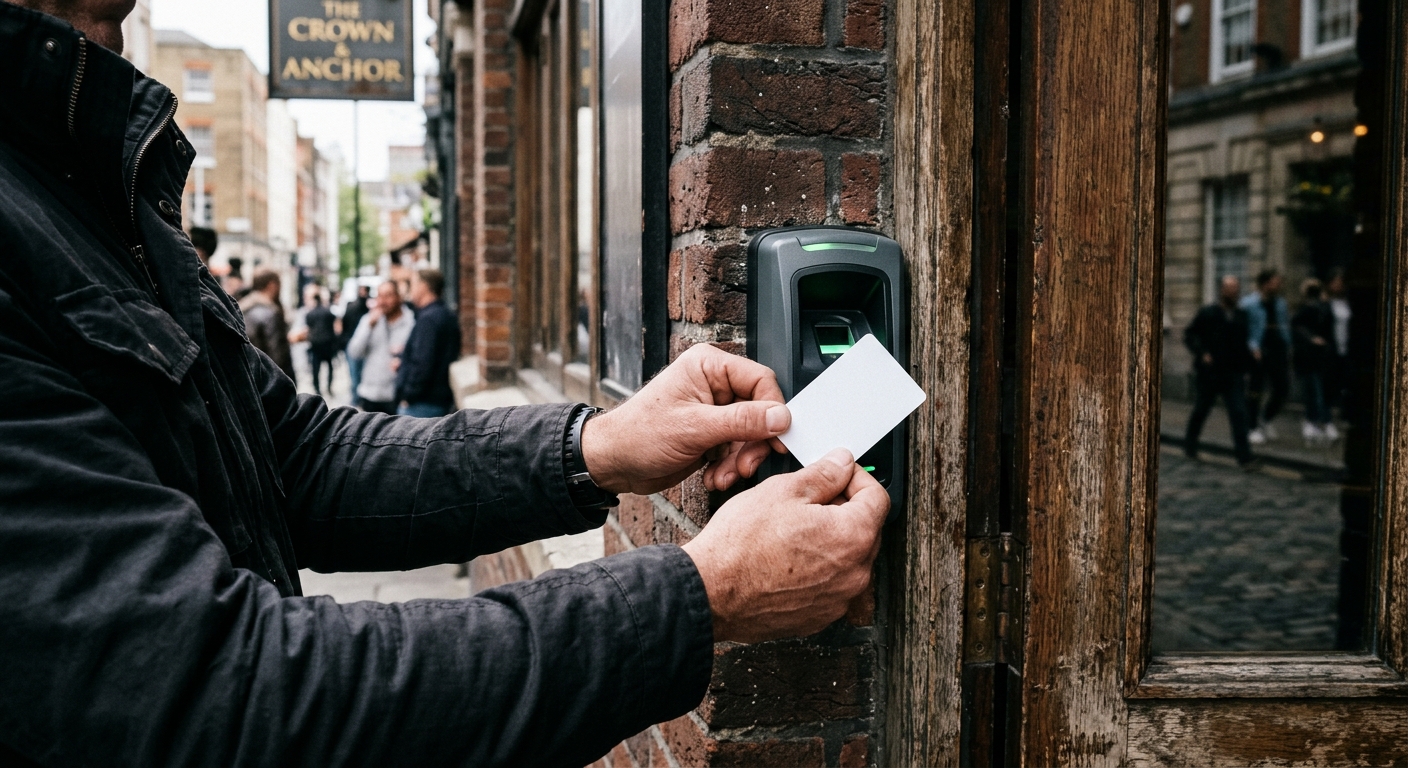
AI-generated illustration; not a photograph of the reported event.
- calendar_today October 25, 2026
Traditional Bouncer Checks Remain Preferred at Capitol Hill Clubs
On the busy streets of Capitol Hill, underage visitors with fake IDs test their luck every weekend. Despite advances in electronic ID scanners, many popular clubs and bars in the neighborhood still rely on experienced bouncers performing traditional ID verification to control who gains entry.
Manual Checks Versus Technology in Nightlife Venues
While some venues use electronic systems, most Capitol Hill establishments opt for visual ID checks and the expertise of their staff. A manager from a prominent nightlife spot explained, “We don’t use them because we have people who are competent enough and trained to not have to use them.”
Electronic ID scanners, which range in price from $700 to $1,100, are designed to quickly scan barcodes on driver’s licenses or passports, checking age, recording visitor information, and managing lists of banned patrons. Their main selling point is efficiency during peak hours, but clubs still debate whether the speed outweighs the value of a trained eye.
Bouncers Value Training and Hands-On Methods
Michael Hallman, security manager for Comet Tavern, Lost Lake Cafe, and Big Mario’s Pizza, noted that Comet has used a handheld ID scanner for nearly a year. Hallman cited speed as the main advantage: “It’s faster, plain and simple.” However, even with technology, bouncers double-check ID scanner results, balancing speed with accuracy.
Nick Paul, a veteran bouncer at Unicorn, sees training and blacklight flashlights as the best fake ID detection tools. “I like the old school, just looking at [the ID]. But this is quick, especially because we get busy.” Local security staff agree that examining hidden logos under UV light, asking questions, and feeling an ID’s weight and texture are vital for effective id verification and bouncers id check.
Hospitality and Privacy Concerns Lead Some Venues to Avoid Tech
Hospitality is a further consideration for venues like Hula Hula, where general manager Joe Zara avoids using electronic scanners. Zara believes the devices create a less welcoming atmosphere at his karaoke bar, preferring hands-on ID and bag checks at the door.
In Capitol Hill’s lgbtq nightlife scene, electronic ID scanning technology raises additional privacy concerns. There is no formal audit of door policies at neighborhood LGBTQ+ venues, but most avoid scanners due to worries that barcode data might reveal transgender or nonbinary guests’ deadnames and legal gender markers. Some platforms retain information for ban lists, stoking fears of surveillance among patrons and operators who value discretion and privacy.
Cannabis Dispensaries Face Stricter Regulations for ID Scanning
Outside nightlife, cannabis shops like The Reef and Uncle Ike’s use cannabis dispensary id scanners both at entry and at register points. These checks are enforced by the Washington State Liquor and Cannabis Board, which requires a strict audit trail for all sales. Dispensaries use scanning both for compliance and to connect purchases with customer profiles for loyalty rewards.
Legal and Data Breach Risks in Washington State
In Washington, there are no specific laws regulating how businesses store data from scanned IDs, unlike stricter states such as California and Oregon. Venues can store information like names, birthdates, and addresses at their discretion. However, scanning a counterfeit ID provides no legal protection to businesses if a minor is served, and any data breach can result in significant liability. The risk is real—IDscan, a major verification provider, reported a data breach in September affecting more than 150 million North American license records.
Privacy policies vary widely from club to club. At Comet, Hallman noted, “Only about one in 500 people express concern about privacy, but the scanner only displays age verification—it doesn’t store personal info.”
Conclusion: Balancing Speed, Security, and Privacy
Capitol Hill clubs and bars continue to set their own standards, weighing the benefits of fast electronic ID scanning against concerns about privacy, hospitality, and the effectiveness of traditional methods. For now, seasoned bouncers remain the ultimate gatekeepers of the Capitol Hill nightlife scene.
Source: capitolhillseattle.com.