- calendar_today August 13, 2025
Global Automotive Market Feels the Impact of Higher Production Costs
Introduction
India’s biggest car maker, Maruti Suzuki, recently hiked vehicle prices by 4%, with effect from April 2025. Though the price hike is mainly directed at the Indian market, its effects are being felt far and wide—right here in the car industry of Washington State as well.
Being a state with a high presence in both auto sales and parts production, Washington is most susceptible to fluctuations in the global automotive system. Local consumers, suppliers, and dealers are already evaluating how increased production costs overseas could have real-world effects at home.
Impact on Washington State’s Auto Market
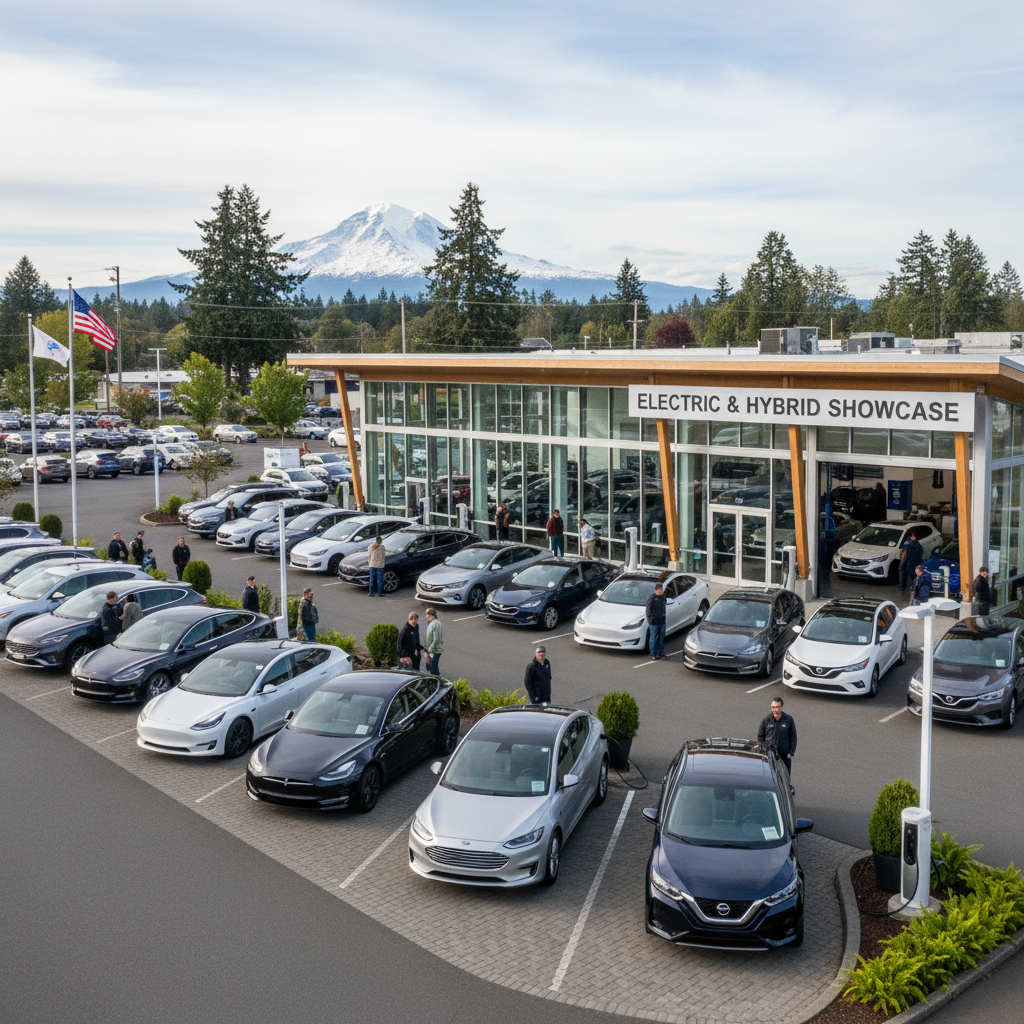
Washington’s auto industry is vibrant, with busy dealerships, increasing demand for electric vehicles (EVs), and busy import/export activities. The Maruti Suzuki price increase is likely to have ripple effects on various fronts:
1. Supply Chain Adjustments
Global price hikes for major raw materials such as steel, aluminum, and semiconductors can directly affect local producers and assembly plants in Washington. Increasing costs might lower profit margins or compel manufacturers to postpone production schedules to maintain competitiveness.
2. Price Sensitivity for Consumers
If other global automakers take a cue from Maruti Suzuki, Washington car prices might creep higher. For budget-minded consumers, this might result in more interest in used vehicles, low-cost financing, or even EV rebates as substitutes.
3. Trade and Export Issues
Washington-based auto part and equipment exporters and manufacturers, as well as logistics firms, may experience pricing uncertainty and variable demand, particularly if foreign customers revise orders or renegotiate agreements in response to increased input prices.
Drivers of the Global Price Increase
The price increase by Maruti Suzuki is part of a broader global phenomenon, driven by several economic and industry-related factors:
– Inflationary Pressures
From raw materials to labor and logistics, inflation is raising costs across the board. The automotive industry—already attuned to margin changes—is having to rethink production and pricing strategies to stay profitable.
– Supply Chain Disruptions
The downstream effects of the worldwide pandemic, political tensions, and port slowdowns persist to destabilize supply chains. Shortages of microchips and higher freight rates are among the biggest worries for auto makers worldwide.
– Market Competition and Strategy
With changing production costs, automakers are shifting the way they price, market, and sell cars. Consumers in Washington can expect less rebates or incentives, more active pricing practices, and variations in vehicle availability based on brand and model.
Washington State’s Reaction to the Price Hike
Instead of waiting for the impact to kick in, Washington’s auto industry leaders are taking the initiative:
– Diversifying Supplier Networks
To counter dependence on expensive foreign materials, producers are looking to source domestically or do business with different suppliers that have more stable pricing.
– Bringing in Financing Incentives
In order to sustain customer confidence and stimulate continued buying, the state’s dealerships are anticipated to introduce incentive programs, longer warranties, and favorable interest rates.
– Keeping an Eye on Changing Consumer Demand
Dealership managers and data analysts are keeping a close eye on trends in consumer demand—particularly for fuel-efficient cars, hybrids, and EVs, which are growing more popular in Washington.
Prospects for the Future: Washington’s Resilience in the Automotive Industry
Though India is at the center of the Maruti Suzuki price increase, its worldwide echoes attest to globalization’s interdependence of markets. Washington’s automotive sector, with its progressive dealerships, green-oriented customers, and innovative policy climate, will be well-placed to adjust strategically.
In the months to come, we may see:
- Dealership inventory shifted towards lower-priced or electric models
- More encouragement for state-level EV incentives to offset higher vehicle prices
- More interest in subscription-based vehicle models or shared mobility services
- More emphasis on local production and nearshoring supply chains
Washington’s technology-enabled, environmentally conscious population, along with government incentives for clean transportation, may convert these threats into opportunities for growth and innovation.
Conclusion
Maruti Suzuki’s 4% price hike is more than just a regional development—it’s a sign of shifting dynamics in the global automotive industry. For Washington State, the ripple effects are already prompting introspection and action.
As material prices increase, supply chains change, and purchaser behavior shifts, Washington’s automotive industry is getting ready for a new era. By being flexible and creative, the state’s car market can weather these changes and keep on moving—mile by mile.