- calendar_today August 8, 2025
Tariffs, Trade Wars, and Washington State’s High-End Automobile Future
Introduction
Washington State’s high-end auto market is reeling from the impact of former President Donald Trump’s trade policies, as tariffs and trade tensions continue to transform the sector. With higher costs on critical automotive imports, renegotiated trade deals, and an emphasis on local manufacturing, high-end models like BMW, Mercedes-Benz, and Audi are experiencing pricing pressures and supply chain interruptions. The repercussions are being felt by dealers, consumers, and industry players throughout the state.
Tariffs and Supply Chain Disruptions
The biggest trade action undertaken under the Trump administration was to impose tariffs on steel and aluminum imports. Both are essential components of automobile manufacturing, and added costs have pushed up production costs for high-end automakers. Businesses dependent on global supply chains, especially European and Asian automobile brands, had to realign their pricing or bear the higher costs.
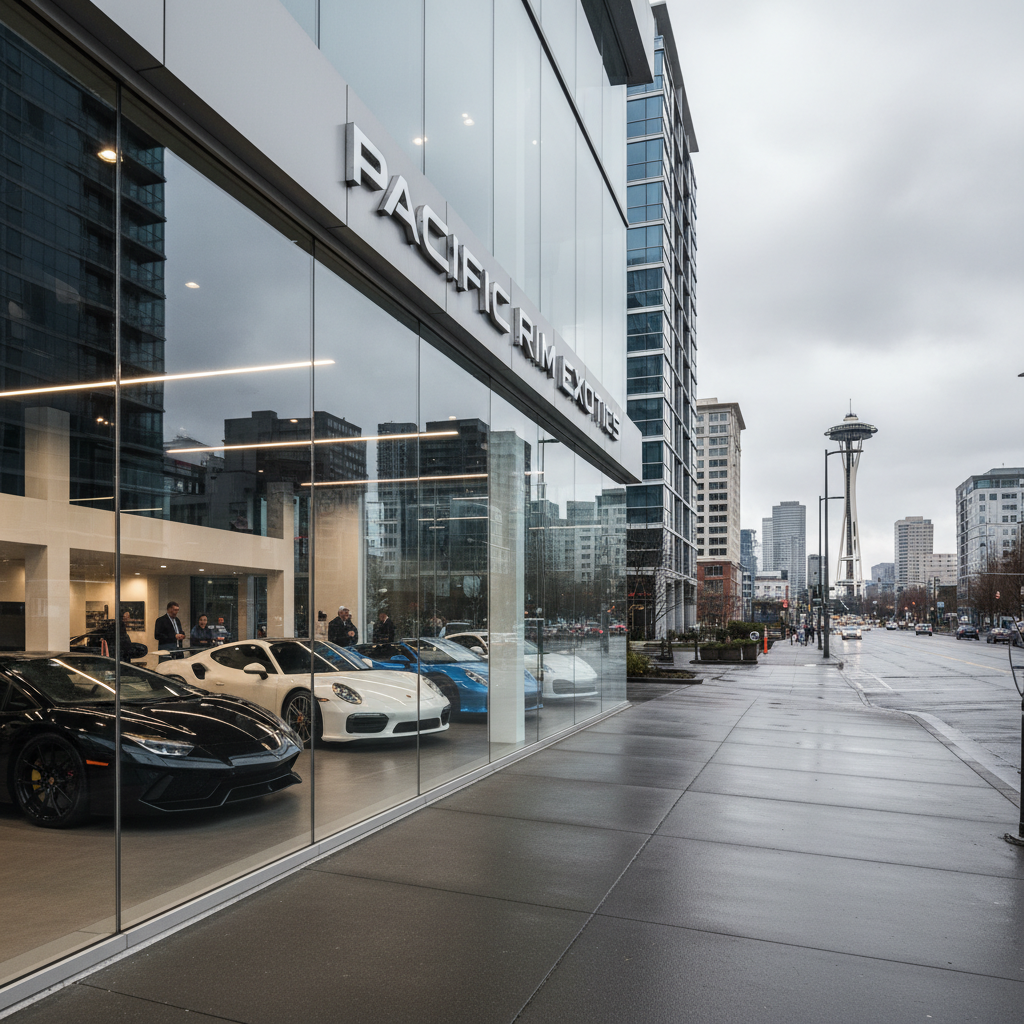
Washington, which boasts luxury car culture in its cities such as Seattle and Bellevue, has been hit hard. These dealerships cite increasing costs and delayed delivery of new luxury cars because of the continued supply chain woes. Some manufacturers have redirected production to North America in order to cushion against risks, although this has come at a great cost and pace.
Effect on Prices and Consumer Demand
Increased production expenses have consequently resulted in higher car prices. Washington State luxury car consumers have had sticker prices rise, pushing the upscale models out of reach. Some manufacturers have tried to recoup these expenses by offering incentives and financing, but total demand has slowed, especially in price-sensitive portions of the luxury segment.
Also, the pre-owned luxury car market has registered higher activity, as potential customers who could have purchased new models are going for used vehicles instead. There is a high demand for certified pre-owned Audis and BMWs in Kirkland and Redmond dealerships, mirroring a general change in consumer pattern as a result of increased costs.
Trade Agreements and Manufacturing Strategy
Trump’s USMCA, a renegotiated version of NAFTA, imposed additional obligations on automobile makers, including stronger North American content requirements and stricter labor wage conditions. These were intended to raise domestic manufacturing but have likewise inserted complexity and expense into the process for prestige automobile manufacturers that operate on a worldwide supply network.
European manufacturers with U.S. plants, including Volkswagen and Nissan, have been operationally impacted by these developments. Washington car dealers and suppliers are experiencing the ripple effects, with some indicating longer lead times for vehicles and parts. Some manufacturers have reduced investment plans or rethought long-term strategies because of the changing trade landscape.
The Road Ahead: Will Policies Change?
As Trump teases a possible 2024 run and ongoing Republican dominance of trade policy, the car industry continues in limbo. Although the Biden administration has left some of Trump’s tariffs in place, a change in leadership could further flip trade deals and tariff regimes on their head. Washington’s market for luxury autos needs to remain nimble for possible policy swings or ramp-ups.
Conclusion
Trump’s trade policies have had a lasting impact on Washington State’s luxury automobile industry, affecting everything from production costs to consumer spending habits. As manufacturers ride out tariffs, supply chain disruptions, and changing trade agreements, the stability of the industry will be determined by its ability to adapt. Whether policy shifts usher in relief or new challenges remains to be seen, but for the time being, Washington State’s luxury car market remains on an uncertain path.