- calendar_today August 12, 2025
Washington State’s economy, which is renowned for its robust trade ties, is going through significant changes as a result of the trade policies by former President Donald Trump. Being a center of worldwide commerce, especially in agriculture, technology, and manufacturing, the state is monitoring closely how tariffs, the disruption of supply chains, and athe ltering global relations affect its sectors.
Agriculture is hit hard
Washington’s farm economy, especially apple, wheat, and seafood exports, is being impacted by changing trade policies. The state depends significantly on foreign trade, with China, Canada, and Mexico being the top export markets. Trade barriers and tariffs placed on American products during the Trump presidency prompted retaliatory tariffs from top trading partners.
Farmers and agri-exporters are coping with price volatility, declining demand, and difficulty finding new markets. A few companies have tried to switch by searching for new buyers in Europe and South America, but it takes time to switch supply chains. Consequently, Washington’s agricultural industry profit margins have been compressed, creating financial anxiety among farmers and agribusinesses.
Tech and Manufacturing Adapt to New Trade Environment
Washington State is the site of some of the world’s biggest technology and manufacturing firms. Aerospace, software, and consumer electronics companies are adapting to changes in trade policy that have influenced production costs, raw material access, and foreign sales.
The aviation sector, dominated by players like Boeing, has suffered from limitations on international trade. Tariffs on aluminum and steel have raised production costs, and issues with China have hit orders for aircraft. Washington’s technology sector, including big software firms, too relies on international markets, and changes in trade deals have also sparked worries regarding intellectual property rights and access to foreign customers.
Smaller firms and local companies that depend on foreign materials are especially at risk. Increasing costs and unpredictability have compelled many firms to review recruitment strategies and manufacturing tactics in order to remain competitive in a rapidly changing landscape.
Port Activity and Supply Chain Disruptions
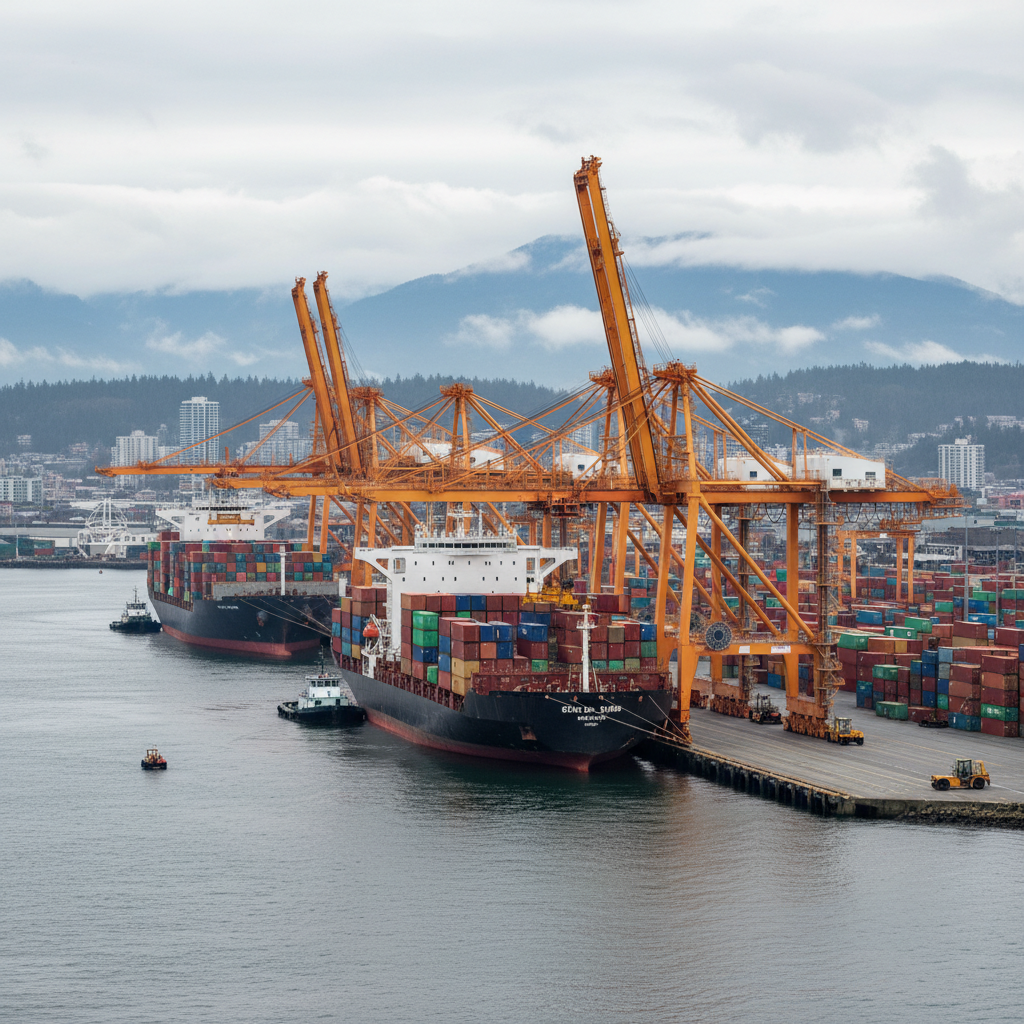
The Port of Seattle and Port of Tacoma are two of the biggest gateways for foreign commerce of the United States with foreign nations, including Asian countries. Trump’s foreign trade policies, such as tariffs on Chinese imports and renegotiating free trade agreements, have impacted the amount of cargo being transported through the ports.
At times, companies have experienced supply chain disruptions as freight has been diverted or delayed because of tariff concerns. Importers and exporters have even re-submitted bids for logistics in a bid to stay clear of extra costs, while others have paid extra fees on necessitated goods. They have resulted in shifts in trade volume and employment in Washington’s shipping and logistics industry.
Retail and Consumer Price Changes
Since most of the large box stores and online retailers are in Washington State, consumer products have been mostly affected by trade policy. Tariffs on imports of goods have meant increased prices of home products, with effects felt on both consumers and retailers.
Retail firms have attempted to counterbalance some of the expenses by negotiating improved prices from manufacturers or contracting manufacturing to other areas. Higher expenses have otherwise, in the majority of instances, been transferred to consumers in the form of apparent price increases on products like clothing, electronics, and home items. This has caused cost concern, especially by middle- and low-income households.
Business Outlook and Future Considerations
While Washington businesses try to cope with the implications of trade policy, business owners are seriously contemplating longer-term solutions to staying competitive. Other producers have started reshoring as they try to diminish reliance on international suppliers, and others are investing in automation and innovation to help absorb increasing costs.
Trade agreements and future economic policy will be key to determining how Washington’s economy stabilizes. Numerous industries are watching closely at the negotiating table with international partners to determine if tariffs will be removed or modified in a manner that helps local businesses.
Conclusion
Washington State’s wide and varied economy has suffered ripple effects from Trump’s trade policies in more than one sector, ranging from agriculture and manufacturing to retail and global shipping. While some companies have been able to adjust by diversifying trade relationships and streamlining supply chains, others continue to suffer from higher costs and changing global trade patterns.
While policy debates are ongoing at the federal, Washington state’s industries are looking to adapt to the new trade environment. Business owners, employees, and consumers alike are closely following developments that will determine the state’s economic future.