- calendar_today July 17, 2026
The latest proposal for the Seattle transit measure in Washington State has moved one step closer to appearing on local ballots after an extensive debate by the Seattle City Council this week. Focused on enhancing public transportation across the region, the measure proposes to increase the existing sales tax by 0.15 percent, raising it to 0.3 percent, and extend its term from six to ten years. This initiative aims to generate roughly $138 million each year to boost various transit-related projects and services.
Sales Tax Increase Draws Council Debate
Central to the committee’s discussion was the sales tax increase, a provision designed to underpin substantial bus service expansion and transit upgrades. Councilmembers Kettle and Rivera voiced concerns about affordability for residents, attempting to amend the measure by either lowering the tax hike or shortening its duration. Both suggestions were ultimately rejected, with the majority of the council emphasizing the necessity of steady transit funding to maintain and improve the reliability of public services throughout Seattle and the broader Washington State region.
Funding Allocation and Transit Security
Much of the committee’s scrutiny centered on how new revenues would be distributed. Chair Rob Saka introduced a contentious amendment to allocate a portion of the measure’s fund toward transit safety initiatives. While some council members expressed unease about diverting funds for this purpose—given that King County Metro already oversees safety enforcement and receives separate public transit funding—the amendment was narrowly approved. The debate highlighted the balancing act city leaders face between addressing public safety demands and sustaining transit operations.
Enhanced Bus Service and Night Operations
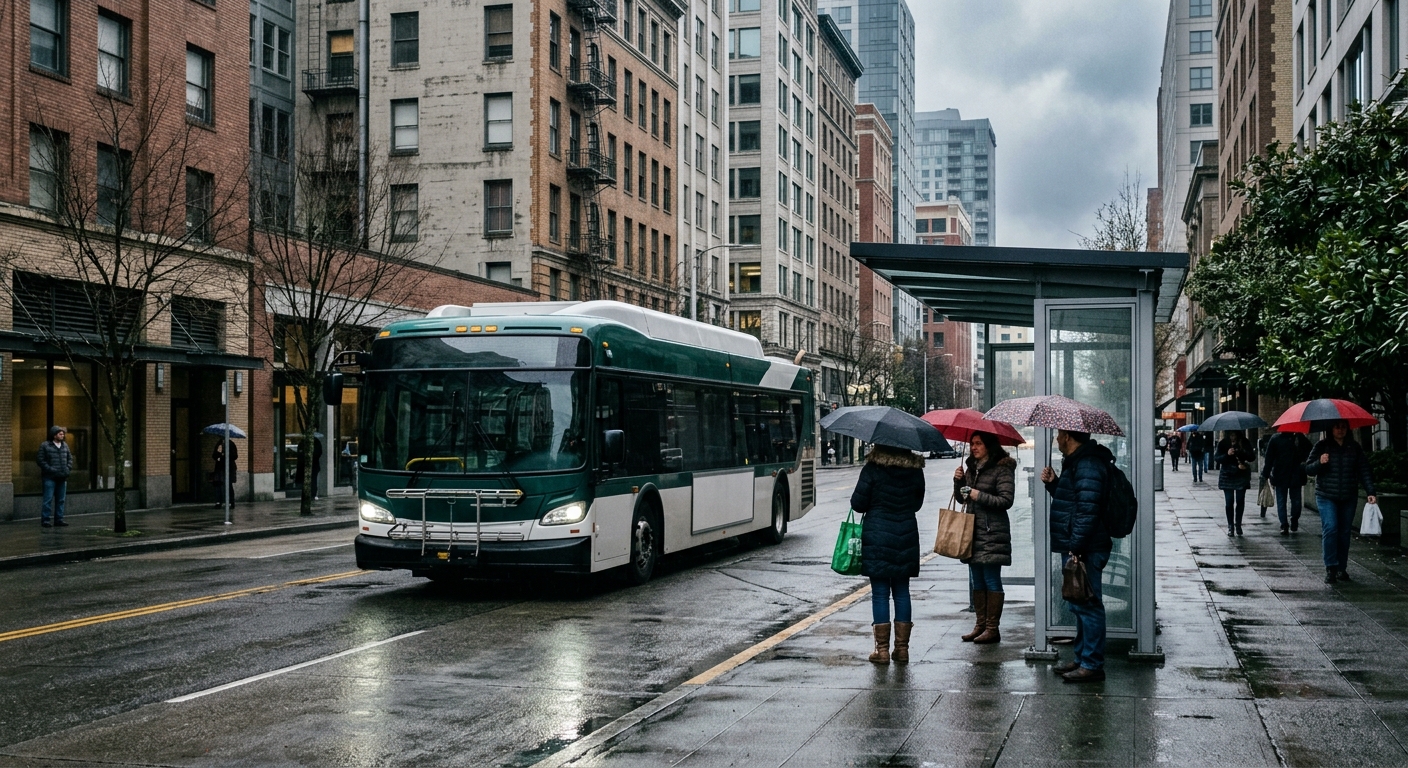
If adopted, the measure would enable a 100,000-trip increase in bus services across Seattle. This expansion aims to improve access and reduce wait times, particularly in neighborhoods designated as growth hubs. An additional component is the implementation of night bus services, a direct response to calls for greater transit access for late-shift workers and residents in underserved communities.
Transit Access Programs Target Growing Neighborhoods
The proposed transit access program would focus resources on neighborhoods experiencing rapid development and heightened transit needs. These programs are crafted to ensure that new infrastructure such as streetcar lines and bus corridors meet the expectations of local commuters. By emphasizing connections to these key growth zones, the initiative seeks to promote sustainable urban mobility and reduce dependence on private vehicles across Washington State.
Capital Investments and Future Improvements
Beyond service increases, the Seattle transit measure pledges new investments in transit capital projects. These may include upgrades to transit lanes, improvements to streetcar networks, and the modernization of bus stops and terminals. Such commitments reflect the city’s ongoing drive to build a more robust and accessible transportation system that aligns with both environmental goals and regional growth projections.
Next Steps for the Seattle Transportation Benefit District Proposal
The measure, presented and shaped by the Seattle City Council under the oversight of the Seattle Transportation Benefit District, is set for a decisive full council vote on July 21. Provided it passes, the proposal will move to voters in August for final approval. The outcome could significantly impact Seattle’s trajectory in public transit funding, shaping mobility for residents across Washington State for the next decade.