- calendar_today July 16, 2026
SEATTLE, Washington State — A Superior Court judge has determined that Denny Blaine Park will retain its status as a clothing optional park, bringing renewed attention to public space access and park regulations in the region.
Court Ruling Upholds Park’s Unique Character
In a decision that has drawn interest from communities across Washington State, King County Superior Court Judge Samuel Chung ruled that closing Denny Blaine Park to the public would be inappropriate, opting instead to preserve its partially clothing-optional character. The case centered on the longstanding traditions at the park and weighed concerns from both supporters of clothing optional recreation and nearby residents disturbed by reports of lewd conduct.
New Park Code of Conduct and Regulations
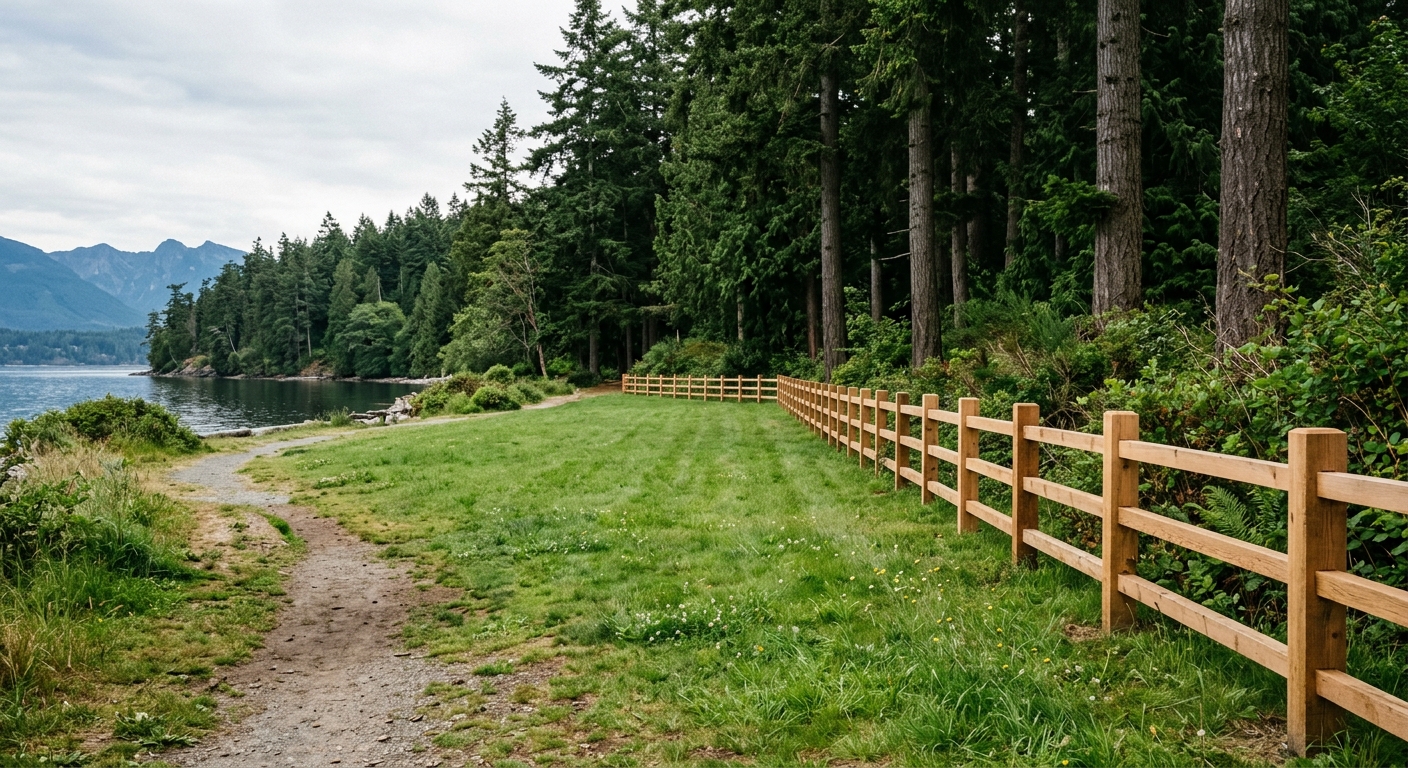
Central to the court ruling was the requirement for updated park regulations designed to address ongoing complaints while maintaining Denny Blaine Park’s distinct environment. The city is now tasked with establishing a new park code of conduct, regular landscaping efforts, and enforcing buffer zones to shield neighbors from inadvertent exposure to on-site nudity. These measures, endorsed by Judge Chung, aim to reconcile the park’s role as a gathering space for clothing optional community members with local quality-of-life standards.
Balancing Legal Nudity and Public Nuisance Concerns
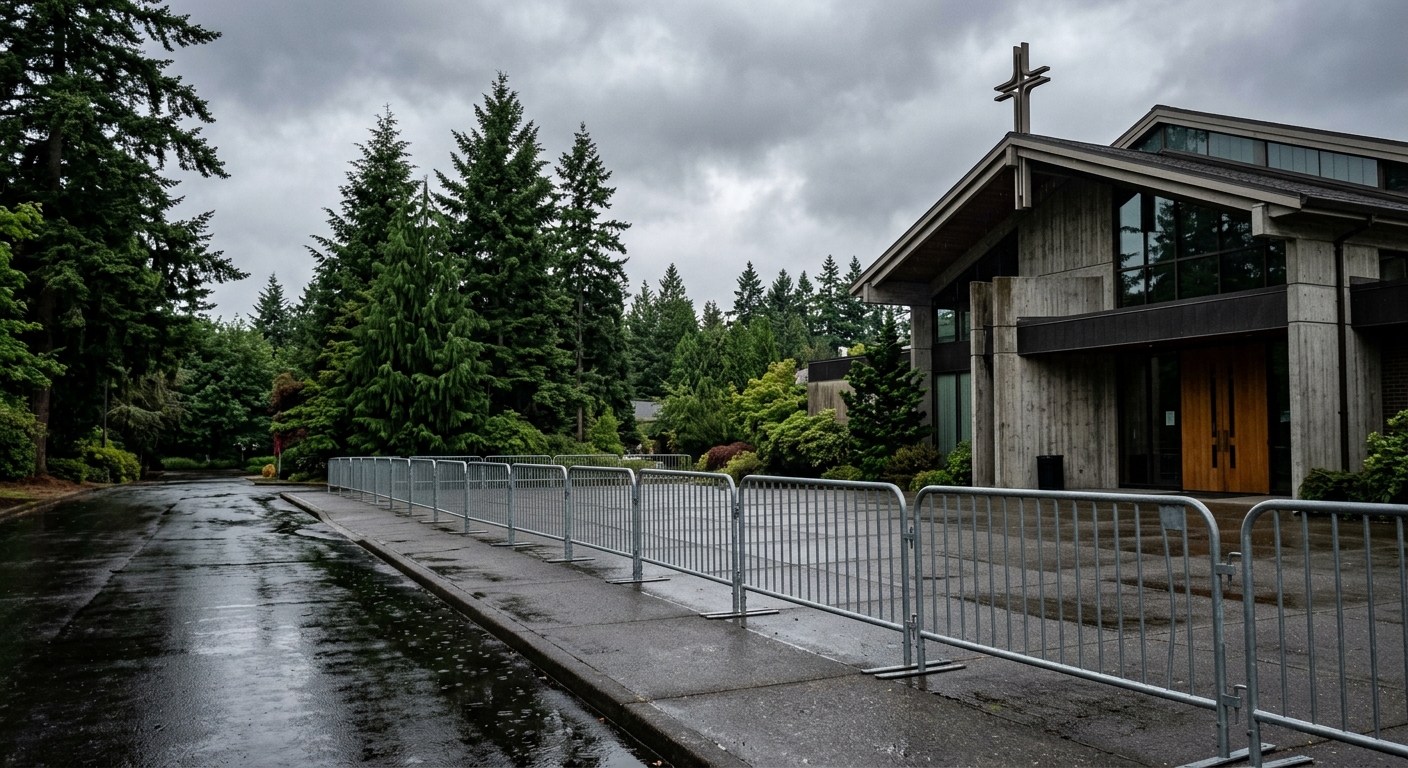
Judge Chung’s decision recognized that the presence of nudity does not inherently constitute a public nuisance, reaffirming that legal nudity remains protected in Seattle public parks. However, the court acknowledged past incidents of inappropriate behavior, such as masturbation and other acts, which precipitated the legal dispute and the installation of what residents dubbed an “anti-masturbation fence.” The ruling reaffirms the city’s responsibility to provide park behavior monitoring and staff to enforce standards, ensuring unlawful acts are addressed while upholding residents’ right to complaint resolution.
Community Advocacy and Historical Context
Community advocacy played a significant role throughout the proceedings. The Friends of Denny Blaine, an advocacy group for the park, argued in favor of preserving full clothing optional park access and restoring Denny Blaine’s historic identity. Their stance found partial success as the court resisted a full closure, opting instead for a regulatory compromise that addresses the concerns of all parties involved, including local homeowners and long-standing park users.
Reaction from Stakeholders and City Officials
Seattle City Attorney Erika Evans described the outcome as a “significant victory.” Park neighbors, who expressed frustration over incidents of park nudity and associated behaviors, were acknowledged in the decision through the requirement for visible buffer zones and ongoing monitoring. Yet, supporters of clothing optional access believe the ruling safeguards an inclusive public space tradition unique to Washington State, with renewed clarity on park behavior monitoring and user guidelines.
What’s Next for Denny Blaine Park
The city’s next steps include implementing the revised code of conduct, increasing landscaping maintenance, and appointing personnel to oversee activities within the park. This approach strives to strike a balance, ensuring Denny Blaine Park remains welcoming to all while respecting the needs of the surrounding community. At the heart of the matter, the ruling sets a precedent for other parks in the region facing similar debates over public space usage, community advocacy, and park regulations.
Conclusion
Denny Blaine Park’s future as a partially clothing optional park is now clarified through enhanced oversight and clearly defined regulations. In a state where public space traditions run deep, the court’s measured approach offers a potential model for managing contentious urban parks not only in Seattle, but across Washington State.