- calendar_today August 8, 2025
In Washington State, real estate prices have steadily risen in 2025, driven by limited inventory and continuous demand in key urban hubs like Seattle, Bellevue, and Spokane. The state’s housing market has remained robust, despite economic pressures such as higher interest rates and inflation.
Sellers remain in a favorable position, particularly in neighborhoods near tech corridors and university districts. Median home prices in King County continue to edge higher, even as potential buyers contend with affordability constraints. While not as extreme as during the pandemic boom, the market still favors sellers.
A critical issue in Washington’s housing landscape is the persistent shortage of homes for sale. Construction activity has struggled to keep pace with population growth, especially in the greater Seattle metro area. Zoning limitations and labor shortages have further slowed new housing development.
This supply crunch is especially felt among first-time homebuyers and renters hoping to transition into ownership. Many properties receive multiple offers, pushing prices even higher. Suburban areas like Issaquah and Maple Valley have become hotspots as buyers search for more space at relatively affordable prices.
The Tech Sector’s Strong Influence on Housing
Washington’s strong tech industry continues to influence real estate demand. Home to major employers such as Microsoft, Amazon, and a burgeoning startup ecosystem, the state attracts high-earning professionals seeking housing close to work or with easy access to hybrid schedules.
This demand has led to increased investment in both urban condos and single-family suburban homes, especially those with dedicated home office space and outdoor areas. Tech hubs in Redmond, Kirkland, and parts of downtown Seattle see especially strong price performance.
Interest Rates Shift Buyer Psychology
Higher mortgage rates in 2025 have caused some buyers to take a pause or recalibrate their budgets. However, Washington’s long-term desirability keeps interest alive, even at higher borrowing costs. Adjustable-rate mortgages and mortgage buydown programs have become more common as buyers seek to lower monthly payments.
Buyers are now more selective, often waiting longer before making offers. Still, well-priced homes in prime neighborhoods are snapped up quickly. For sellers, pricing strategically has become critical to avoid prolonged listing times.
Remote Work and Relocation Patterns Reshape Demand
The normalization of remote work has allowed many Washingtonians to consider living farther from urban cores. Cities like Bellingham, Yakima, and Tri-Cities have seen notable increases in real estate activity as buyers search for more affordable alternatives without entirely leaving the state.
Many former Seattle residents are opting for homes with more land, better views, and a quieter lifestyle. As a result, formerly overlooked markets in Eastern and Central Washington are now part of broader real estate investment conversations.
Rental Market Tightens Amid Ownership Challenges
With ownership costs rising, more residents are remaining in the rental market longer than expected. This dynamic is creating a surge in rental demand, particularly in the Seattle metro area and university towns like Pullman.
Landlords have responded with increased rents, which in turn is driving renewed calls for expanded tenant protections. Multifamily developers, meanwhile, are racing to add inventory, though permitting delays and rising material costs are persistent hurdles.
Sustainability Becomes a Key Buyer Priority
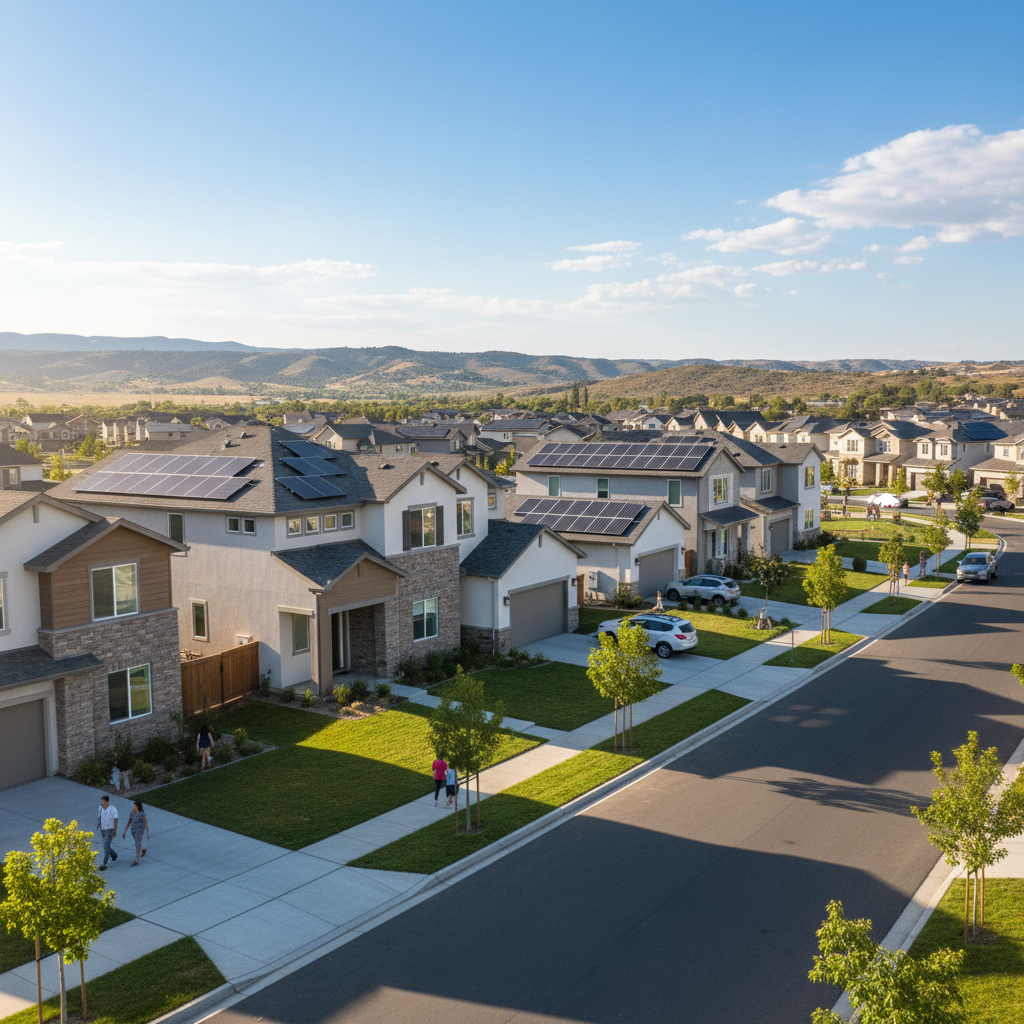
In environmentally-conscious Washington, 2025 buyers are increasingly prioritizing sustainability features. Homes with solar panels, EV chargers, and energy-efficient insulation are in high demand. Municipalities are supporting these efforts through incentives and green building codes.
Eco-conscious buyers, particularly millennials and Gen Z, are leading this shift. Builders who cater to this demographic are seeing strong pre-sale interest for green-certified homes.
New Construction Faces Regulatory and Cost Barriers
While demand exists for new homes, developers in Washington face regulatory headwinds. Land use restrictions, environmental review processes, and rising labor/material costs are all slowing development timelines.
In areas like Tacoma and Everett, infill projects and townhouse developments are picking up pace. However, widespread affordability improvements may remain out of reach without broader zoning reform or public-private partnerships to incentivize affordable housing.
Washington State’s housing market in 2025 remains a story of high demand, limited inventory, and a competitive environment fueled by tech-driven migration and lifestyle changes. Though challenges persist, including high borrowing costs and construction delays, the state’s appeal keeps its real estate sector remarkably resilient.