- calendar_today August 28, 2025
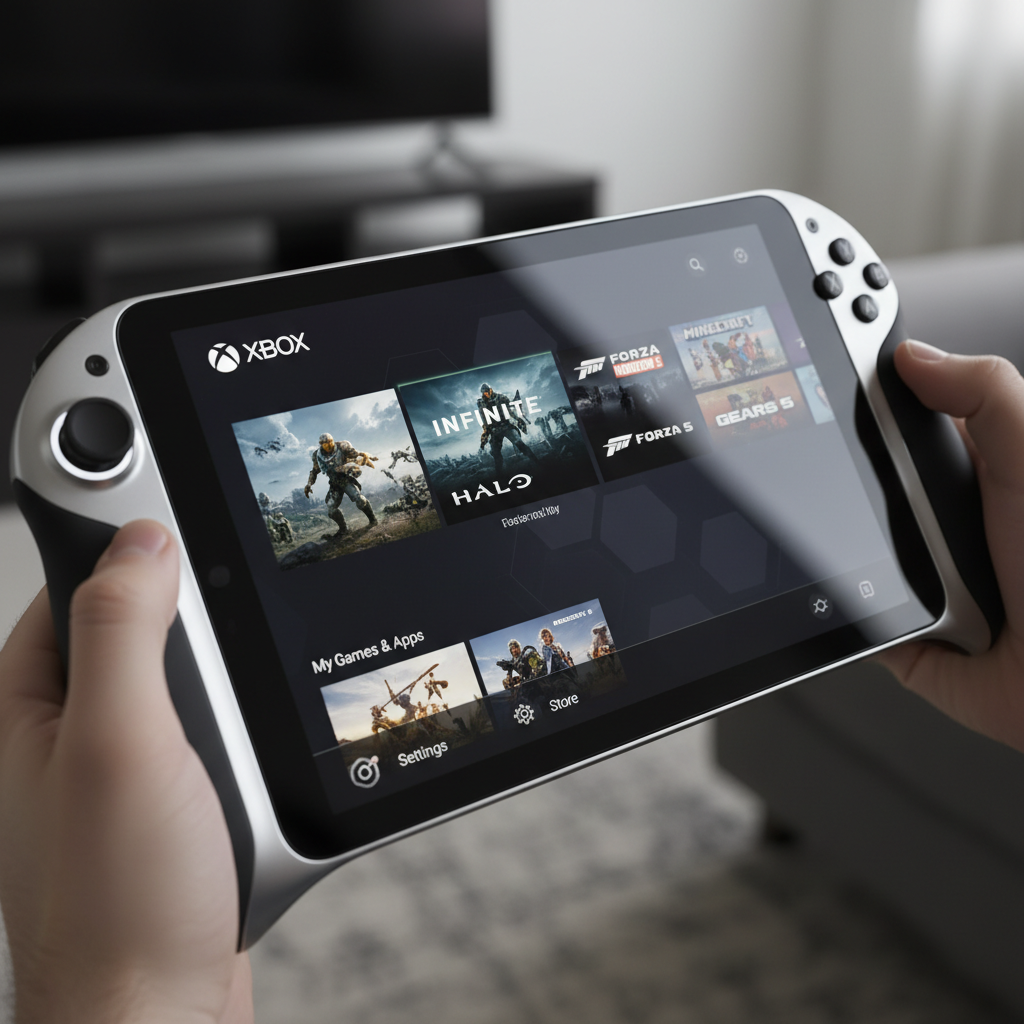
Microsoft is expanding its presence in the handheld gaming market through an Xbox-branded user interface for portable Windows devices. The new interface developed alongside Asus will first become available for the ROG Xbox Ally. This innovative UI deviates from traditional Windows desktop layouts by presenting a full-screen tile-based design which enables touchscreen and gamepad optimized navigation and delivers a console-like experience.
Valve’s Steam Deck operating on its Linux-based SteamOS has dominated the handheld gaming market until this point. SteamOS lacks native support for all Windows games but many are playable through Proton which has developed considerably over time. Despite its impressive features this system cannot fully replace Windows and some users will experience compatibility problems. Its gaming-first design approach combined with efficient performance execution has helped it achieve substantial popularity.
Microsoft wants to blend the adaptability of Windows with the straightforward gaming console interface through their new Xbox UI. Users will have access to the extensive library of Windows games in a portable format that delivers a more intuitive user experience. The new UI will debut on the ROG Xbox Ally according to Microsoft before expanding to other ROG Ally models. Microsoft will begin expanding the rollout to other Windows handheld devices beginning in 2025.
While Microsoft made no direct statement about this interface being derived from their 2022 internal “Windows Handheld Mode” concept they held internally, the similarities between the two are evident. Microsoft initiated a project during an internal hackathon to address Windows handhelds’ major flaws like inadequate touch support and controller functionality limitations through a basic gaming-oriented interface.
The new Xbox interface brings about substantial performance enhancements along with a more natural look and feel. Microsoft reports that shifting away from the conventional Windows desktop results in a few gigabytes of RAM savings and lower energy consumption. The performance enhancements and battery life advancements achieved through these savings become essential attributes for handheld game devices. Old ROG Ally configurations demanded running a complete Windows operating system together with Asus Armoury Crate software that increased system load. The Xbox User Interface now effectively closes the performance gap while avoiding extra system demands.
Users will maintain access to the traditional Windows desktop even after the UI overhaul. Users will need to manually launch the traditional interface as it remains accessible. Through this hybrid approach users gain the flexibility to seamlessly transition between the gaming interface and full desktop functionality whenever they require it.
Valve pushes forward its market position through ongoing development of SteamOS and Proton. Proton now supports an expanding library of Windows games while extending its reach beyond Steam Deck devices to include models like some ROG Ally devices. Linux now holds over 4% of the global desktop market share as a direct consequence of SteamOS enhancements which turned it from a gaming fringe operating system into a significant player.
Microsoft has delayed its response because the company has recently focused its efforts on developing AI and improving security. The dominance of Windows on PCs remained unchallenged for years because people did not consider handheld gaming to be a significant threat. The success of the Steam Deck combined with SteamOS’s rising maturity has begun to question previous perceptions of handheld gaming as a minor threat to Windows PC dominance. Now, Microsoft is finally responding.
Key takeaways from Microsoft’s move include:
- Microsoft will first introduce its new Xbox UI on the ROG Xbox Ally before expanding it to additional devices in 2025.
- The new interface transforms the conventional Windows desktop into a full-screen tile-based gaming environment.
- Microsoft says that their new user interface saves memory resources while lowering energy consumption and enhancing the device’s performance.
- Users can continue accessing the traditional desktop UI which provides full control over their device experience.
The success of Microsoft’s Xbox UI as either a revolutionary innovation or simply a step to catch up with competitors will depend on its adoption rate and its performance when compared to SteamOS. But one thing is clear: Microsoft is finally taking handheld gaming seriously.