- calendar_today August 26, 2025
The long-awaited Android 16 has finally arrived after extensive anticipation and testing. Google has begun distributing the new mobile operating system update with Pixel phone users receiving access ahead of everyone else. Pixel device users will soon receive an over-the-air update. Google’s developer page already holds system images and update files for those who can’t wait.
The initial release of Android 16 will not bring a massive influx of new features. Android 16 follows the pattern of recent Android updates by maintaining a modest launch approach. The biggest updates will be released in the later months of this year. This release brings several important updates that particularly benefit Pixel device users.
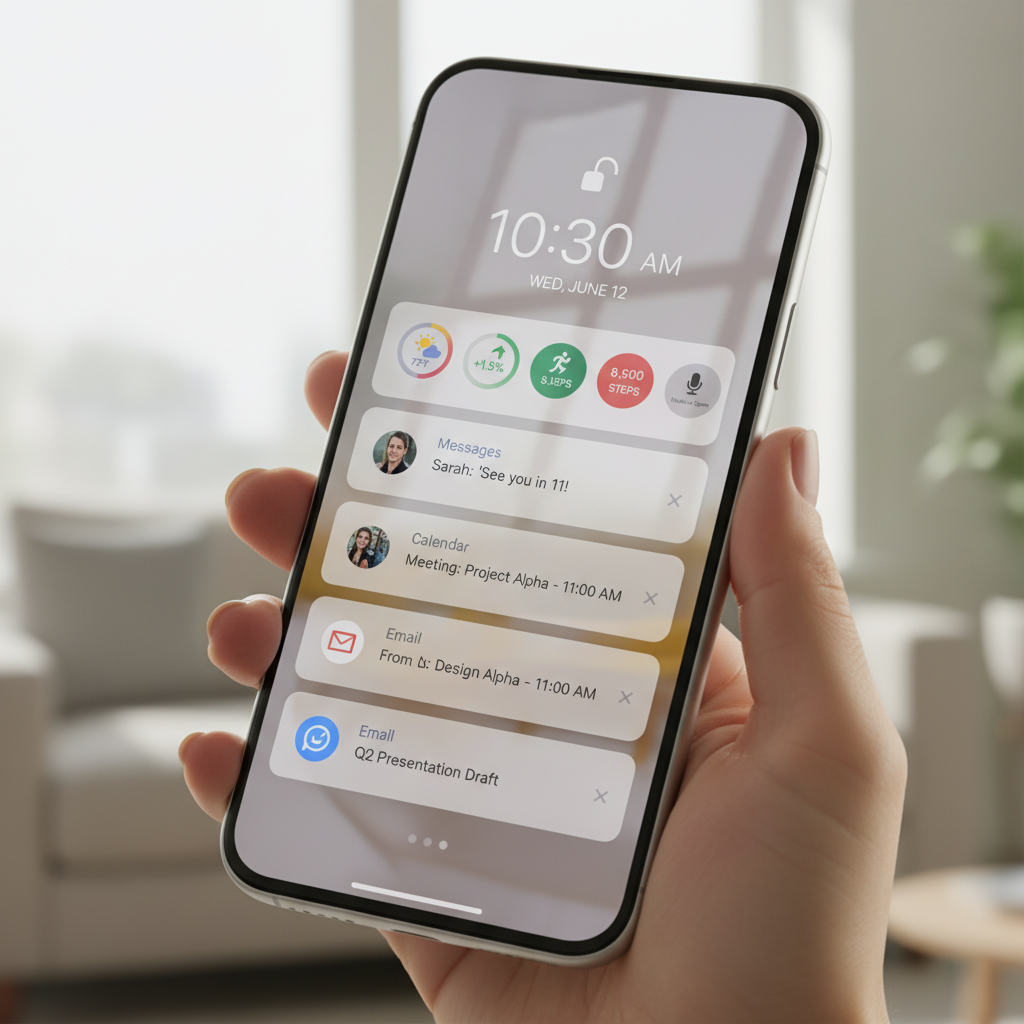
The notification system received a noticeable update through its redesigned experience. Google initially launched bundled notifications in Android 7.0 Nougat to minimize visual clutter but Android 16 enhances this functionality further. The new notification system requires apps to combine several alerts into one expandable entry which helps organize the notification shade for users.
Live update notifications deliver minor yet practical enhancements to the system. The initial rollout of this feature will target rideshare and delivery applications. The status bar displays small icons for users which indicate real-time updates. The icon reveals an expandable pop-up that displays a live progress bar when tapped. Google is collaborating with Samsung and OnePlus to integrate this feature into their customized Android platforms through Samsung’s Now Bar and OnePlus’ Live Alerts.
System-wide Advanced Protection represents the new security feature in Android 16. The feature used to depend on your Google account but has now become part of the operating system core. When activated, devices block connections to obsolete 2G networks while limiting USB device access and automatically marking insecure websites. Anyone who wants to enhance their device security will find this improvement substantial.
There’s also something fun for Pixel users. Android 16 allows Pixel Studio app and Emoji Kitchen users to create their own custom emojis. The feature that utilizes generative AI enables users to combine emoji elements into entirely new creations.
Underneath the surface layer Android 16 features numerous background changes which developers can explore. Applications targeting Android 16 (API level 36) automatically adapt their display for large screens including foldable devices and tablets. App interactions on bigger displays will become smoother and more predictable as Google has been promoting this focus for developers. The update includes enhanced camera APIs that give apps access to motion photos, night mode detection, hybrid auto-exposure features as well as HDR screenshot support.
Google continues its routine practice of putting stricter regulations on background application processes. Although the new restrictions may disable some outdated or poorly maintained applications, they will enhance the device’s system performance while also conserving battery power.
Google is introducing a new Pixel Drop coinciding with Android 16 and will provide certain benefits only for Pixel devices. Pixel VIPs stands out as a main feature by enhancing the existing favorite contacts system. After assigning the VIP status to a contact their information becomes available through a specialized interface. Users can view recent messages from Messages and WhatsApp and shared details including birthdays and location data when permitted. VIP contacts have the ability to override Do Not Disturb settings allowing uninterrupted communication.
The Pixel Drop updates Expressive Captions for users in the UK, Australia, and Canada along with other enhancements. The Magnifier app now delivers enhanced hearing aid support together with live search functionality. The new features deliver subtle improvements that make devices easier to use for daily tasks while increasing accessibility.
Android 16 is now available but significant features have yet to be released. The most recent design language from Google called Material 3 Expressive does not appear in the current software update despite its launch last month. The new software will launch later this year beginning with Pixel devices. Developers have received guidance to start getting ready for the upcoming visual transition.
The development roadmap includes Android’s much-discussed desktop mode feature. With this functionality tablets and compatible phones will be able to connect to external displays and utilize floating windows which recreate classic desktop interfaces. Google formed a partnership with Samsung to expand the capabilities of the DeX windowing system. The Pixel 9 Pro Fold will lack on-device windowing support and will offer desktop projection only on external displays. Manufacturers can either implement this functionality or continue using regular screen mirroring.
Google’s Android release cycle is now changing as demonstrated by this launch. Google will release new Android versions in late spring rather than fall and will follow up with smaller updates later in the year to enhance APIs and features.
Android 16’s initial release may not include major standout features but it establishes the foundation for significant upcoming changes. The initial launch is subdued yet it establishes the foundation for a more thrilling second half of 2025.