- calendar_today August 26, 2025
What’s Driving Dow Jones Futures in 2025?
Dow Jones Futures provide early signals of investor sentiment before the markets open—and for Washington State, where global trade, aerospace, software, and clean energy are foundational, these indicators carry real weight. As national economic policy and global tensions evolve, investors and businesses across the Pacific Northwest are adapting their strategies for growth and resilience.
Economic Drivers Behind the 2025 Outlook
Washington’s economy in 2025 remains dynamic, led by robust growth in technology, shipping, and sustainable energy. While Seattle continues to drive innovation, challenges persist with housing affordability, energy costs, and inflation impacting both consumers and businesses.
- U.S. GDP growth is projected at 2.1–2.4% for 2025 (Bureau of Economic Analysis).
- Inflation remains slightly above the Federal Reserve’s 2% target, with higher prices for housing, healthcare, and transportation especially visible in metro areas.
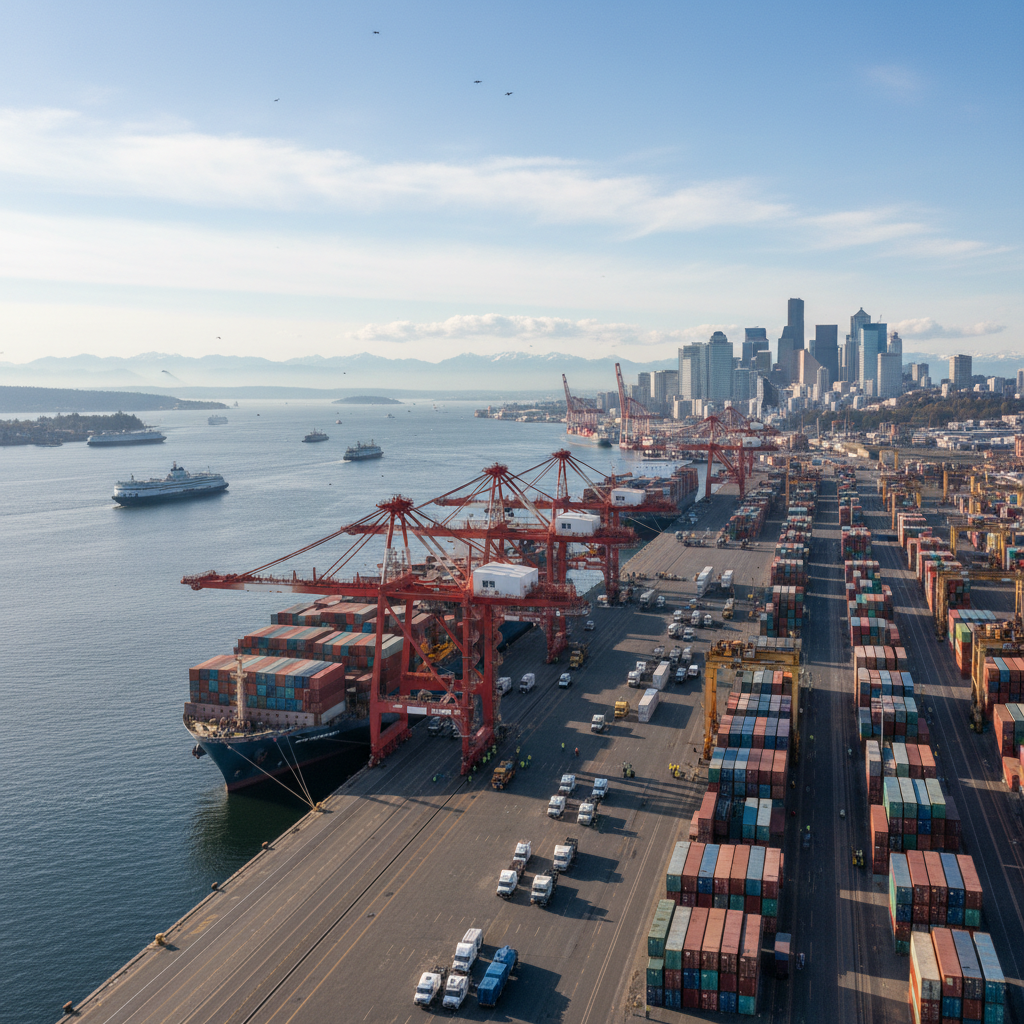
- Ongoing global supply chain realignments continue to affect Washington’s export flows and port logistics operations.
Federal Reserve Policy and Interest Rate Projections
Interest rate movements are closely monitored in Washington State, particularly by stakeholders in real estate, aviation, and software development. The Federal Reserve’s monetary path could shape key growth sectors across the region.
- Current Fed Funds Rate: 4.25%–4.50%.
- A widely anticipated rate cut by September—currently priced in at a 67% probability—may ease borrowing costs for tech firms, infrastructure projects, and commercial real estate.
- Tariff-related inflation, however, could delay monetary easing, keeping credit conditions tighter in the near term.
Global Economic Uncertainty and Its Ripple Effects
Washington’s globally connected economy—anchored by ports, aerospace, and international software exports—is highly sensitive to global developments. Movements in Dow Jones Futures often mirror the ripple effects of geopolitical and trade disruptions that directly impact local industries.
- New tariffs on Chinese and Brazilian goods (as of July 2025) are increasing costs for tech manufacturers, aircraft suppliers, and agricultural exporters.
- China’s slower-than-expected recovery is weighing on demand for Washington exports, including apples, wine, and high-end software services.
- Oil price volatility linked to Middle East instability is impacting transportation, shipping, and aviation fuel costs.
Sector-Wise Breakdown: Technology, Energy, and Healthcare
Washington’s economy mirrors many of the trends seen across the Dow Jones, with strength in technology and healthcare but growing uncertainty in energy and manufacturing.
- Tech giants like Microsoft and Amazon continue to boost the Dow and the state economy, driving job creation and innovation.
- Aerospace and industrial manufacturing are facing headwinds from rising input costs and global order delays.
- Healthcare remains a steady growth area, with rising demand in both urban centers and rural regions of the state.
Investor Sentiment: What the Data Tells Us
From tech hubs in Redmond to small business owners in the Columbia Basin, Washington investors remain cautiously optimistic but highly data-dependent in 2025.
- AAII Investor Sentiment Survey places national optimism around 45%.
- ETF flows favor tech, healthcare, and infrastructure—sectors tied closely to Washington’s long-term economic drivers.
- Market breadth remains uneven, showing a market still hesitant to commit broadly amid mixed signals.
7 Predictive Outlooks for Dow Futures in 2025
These key trends are likely to shape Dow Jones Futures and influence investment decisions across Washington State:
- Volatility spikes are expected around Fed announcements and international trade news, with futures swings of ±1–2% anticipated.
- A potential September rate cut, with 67% likelihood, could stimulate capital spending and real estate development across the Puget Sound region.
- Tariff-driven inflation may tighten margins for Washington’s exporters and tech manufacturers.
- Sector divergence will persist—tech and healthcare gain momentum while industrials and exporters navigate cost challenges.
- A weaker dollar could support export competitiveness from Washington’s ports—if global demand cooperates.
- Strong labor markets in technology and logistics will support regional spending but add wage inflation pressure.
- Investor sentiment will remain sensitive, reacting quickly to economic data, central bank policy, and overseas developments.
How Should Investors Prepare for the Year Ahead?
Investors across Washington State should stay attuned to both local developments and broader economic signals. With strengths in technology, clean energy, and healthcare, the state offers opportunity—but only for those prepared to manage risk.
- Focus on key sectors driving Washington’s economy—cloud computing, biotech, green energy, and logistics.
- Use Dow Futures and options to hedge or tactically manage exposure around major market events.
- Track local indicators such as Port of Seattle trade volumes, employment trends, and tech funding activity for deeper insight.
A Year of Watchful Optimism
Washington’s economy in 2025 is driven by innovation and global reach. As Dow Jones Futures continue to reflect the tug-of-war between opportunity and risk, investors in the Evergreen State must remain agile. Those who understand the regional nuances while staying grounded in macroeconomic context will be best positioned to navigate the year ahead with confidence.