- calendar_today August 9, 2025
The global trade landscape is shifting again in 2025, as tensions between the United States and China resume with a vengeance. For Washington State—where dynamic tech clusters, major aerospace firms, and vital seaports drive the economy—these developments are not abstract. The ripple effects are already being seen in local boardrooms, manufacturing plants, and even in the farmlands of Eastern Washington.
Under President Donald Trump’s renewed, tough trade policies, the U.S. government reintroduced sweeping tariffs on an array of Chinese products. The aim is to shore up domestic manufacturing and reduce long-standing trade deficits. However, Beijing’s equally forceful response, which includes imposing a 34% tariff on U.S. exports and restricting rare earth element shipments, has set off a chain reaction that many in Washington are watching very closely.
Key Developments in the 2025 Trade Clash
Earlier this year, the White House announced a 54% tariff on many Chinese imports—covering everything from electronics and automotive components to industrial machinery. While these measures are designed to boost U.S. production, they inadvertently complicate supply chains upon which many Washington companies rely.
China’s Countermoves Include:
- 34% Tariffs on U.S. Exports: These tariffs are affecting a wide range of products. In Washington, where high-tech products and agricultural goods—like apples, cherries, and wheat—are key exports, increased costs mean reduced price competitiveness in the Chinese market.
- Restrictions on Rare Earth Elements: Critical for semiconductor manufacturing and renewable energy products, these controls have wide-reaching implications. Washington’s tech hubs in Seattle and Redmond could soon see higher costs and longer lead times for essential components.
- A WTO Complaint: China’s formal complaint to the World Trade Organization adds legal uncertainty to the mix. While outcomes are not immediate, the ongoing dispute is casting a shadow over global trade stability.
Washington’s Diverse Economic Impact
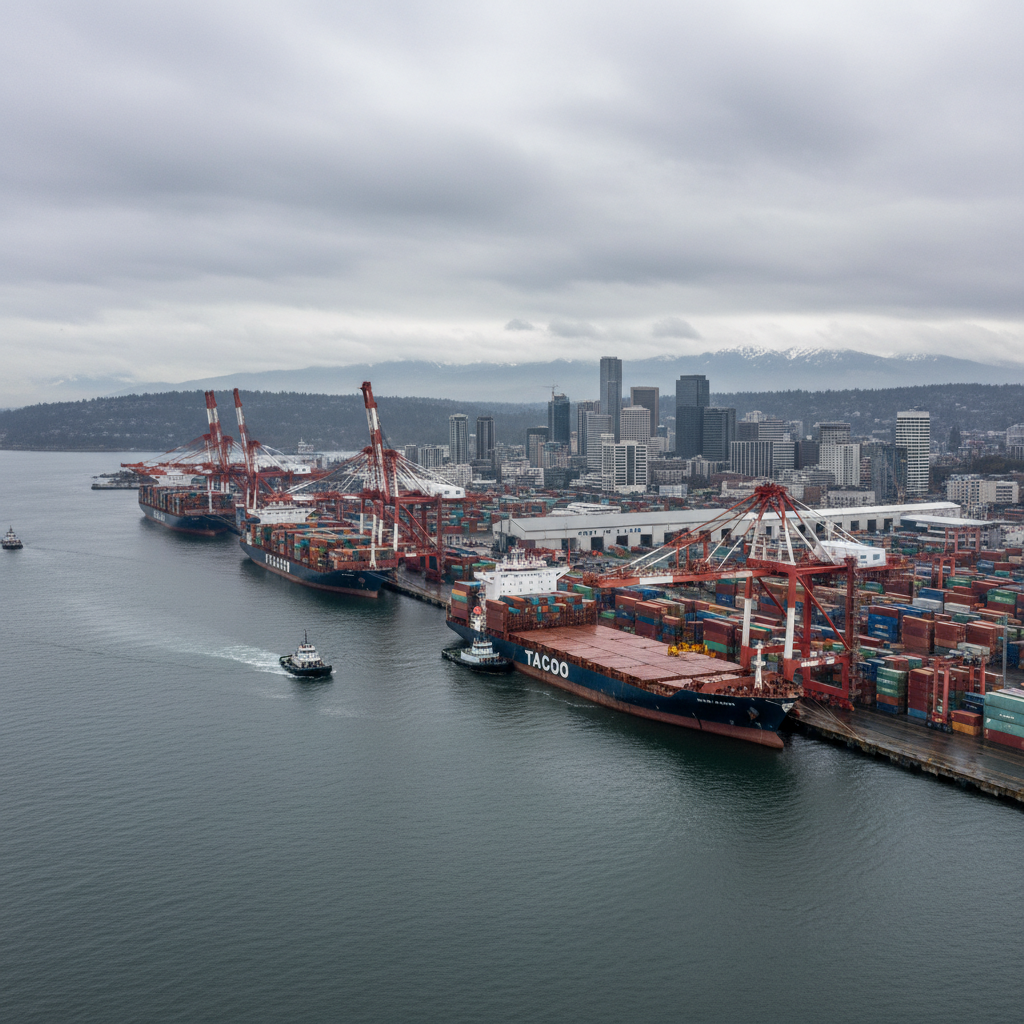
Washington State is uniquely positioned in the global economy. Its major seaports in Seattle and Tacoma serve as vital gateways for U.S. exports, while its tech and aerospace industries are world-renowned.
Technology and Innovation
The state’s thriving technology sector—including companies like Microsoft, Amazon, and an array of innovative startups—depends on a complex web of global supply chains. With tariffs impacting the cost of imported electronics and semiconductor components, local manufacturers may face production delays or increased costs. While many tech firms have built robust international networks, the ripple effect is enough to prompt strategic reassessments.
Aerospace Leadership
Boeing and other aerospace contractors in the Puget Sound region have long been pillars of Washington’s industrial base. Their supply chains span the globe, and any disruption—whether due to higher tariffs or prolonged export restrictions—could delay production schedules and influence contract negotiations. Investors are watching how these companies navigate the trade conflict, knowing that even minor setbacks can reverberate across the industry.
Agriculture and Shipping
Eastern Washington’s agriculture, known for its high-quality fruit, wheat, and wine, has traditionally counted China as a key market. With the imposition of extra tariffs, local farmers may see diminished export opportunities. Similarly, the state’s export-reliant ports may face operational challenges as shipping costs rise and global demand shifts. Both sectors must adapt quickly to maintain their competitive edge on the international stage.
Renewable Energy and Clean Tech
Washington is also a leader in renewable energy initiatives. However, many of the components for wind turbines, solar panels, and battery storage systems are sourced from Asia. Trade restrictions on rare earth elements could stall projects or force companies to search for alternative—and possibly more expensive—supplies.
What Washington Investors Should Consider
Uncertainty in global markets calls for a judicious approach. Financial advisors in Washington recommend several strategies for mitigating risk and seizing emerging opportunities:
- Review Supply Chain Exposures:
Investors should assess their portfolios for companies heavily dependent on Chinese supply chains. Shifting focus to firms that have diversified their sourcing or that are ramping up domestic production could help mitigate future volatility. - Support Local and Resilient Industries:
Companies within Washington that emphasize local production, particularly in tech and aerospace, may present better long-term prospects. Investing in businesses that are less reliant on volatile international markets can offer a buffer against trade disruptions. - Diversify with Real Assets:
With rising uncertainty, tangible assets such as real estate, infrastructure, and even commodities tied to local resources can serve as effective hedges. Washington’s robust economy presents opportunities in various sectors that are less impacted by foreign policy shifts. - Stay Informed:
Keeping abreast of trade negotiations and federal policy updates is crucial. Investors should subscribe to local and national economic reports to better understand the evolving landscape and react proactively to market changes.
Adaptation in a Changing Landscape
While global trade disputes have historically introduced short-term turbulence, they also spur innovation and strategic realignment. Washington State has a track record of resilience through economic shifts. For investors, the key lies in maintaining a balanced, well-informed portfolio that can weather temporary setbacks while capturing long-term opportunities.
Trade tensions between the U.S. and China may continue to simmer throughout 2025, but Washington’s diversified economic base offers both challenges and rewards. By focusing on local strengths and staying agile, investors can navigate these uncertain times and position themselves for future growth.