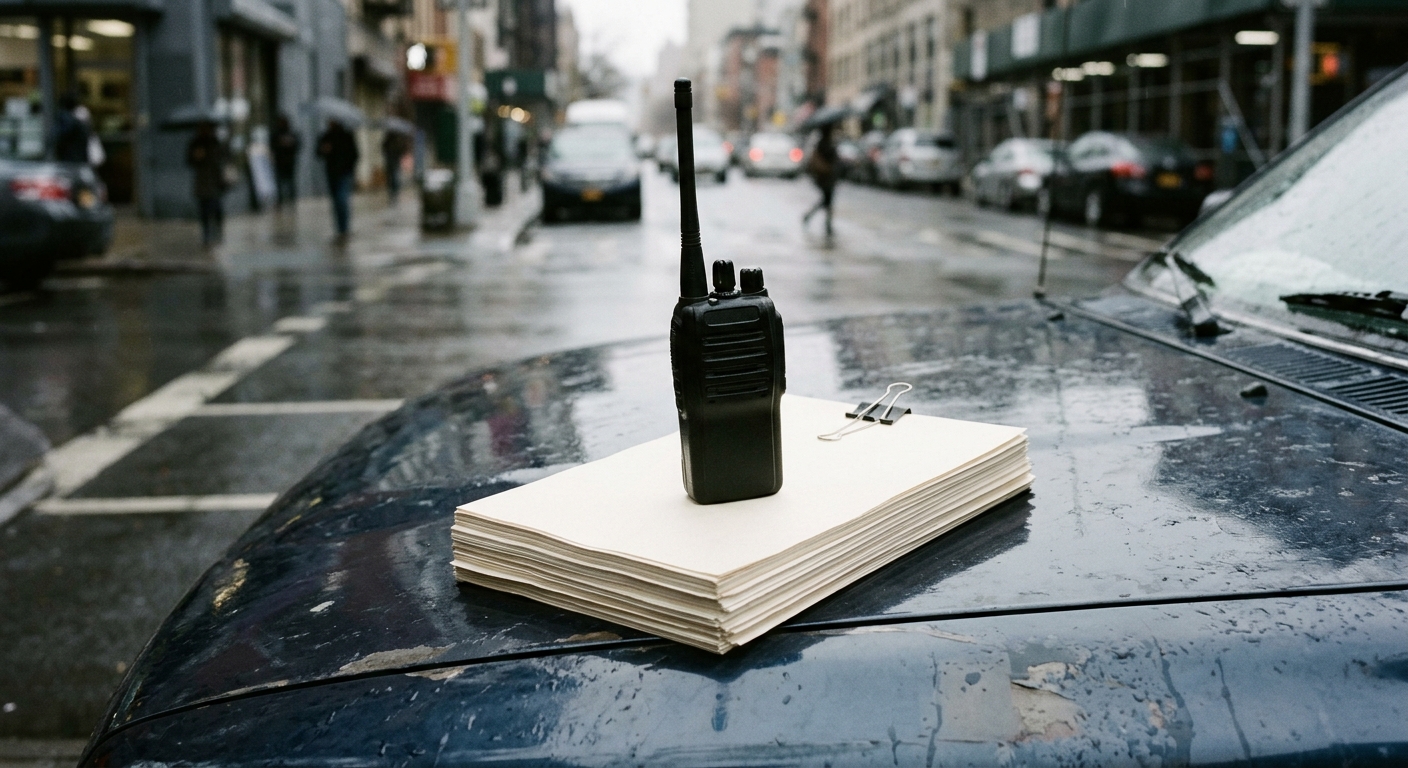
AI-generated illustration; not a photograph of the reported event.
- calendar_today November 2, 2026
Changing Priorities in Seattle Police Crime Communication
The way the Seattle Police Department (SPD) communicates crime trends and enforcement activity in the city’s East Precinct is undergoing significant change, influenced by shifts in public safety priorities and evolving approaches to information sharing.
The Impact of Radio Encryption on Public Access
Recently, both the SPD and Seattle Fire adopted mostly full encryption for their dispatch and emergency radio communications. This move has ended most real-time public and scanner access to tactical and operational channels, fundamentally altering the public’s ability to monitor day-to-day police activity.
Significant Incident Reports Take Center Stage
With most radio transmissions now inaccessible, SPD’s Significant Incident Reports (SIRs) have become increasingly important. These reports, prepared by precincts for daily command briefings, have been published for over six years. Initially launched following the 2020 pandemic onset and the civil unrest surrounding the Capitol Hill Organized Protest (CHOP), SIRs provide selected details of individual incidents and arrests across the precincts.
East Precinct: From Lagging to Leading in Reporting
Citywide, the frequency of public SIR updates has decreased, with blotter publications reaching all-time lows in 2026. Seattle’s South and Southwest precincts, for example, have reduced their posts, primarily highlighting gunfire incidents and shootings. In contrast, the East Precinct has seen its share of published reports rise sharply—from accounting for 14.9% of citywide SIR entries in 2021–2023 to 20.8% in 2025–2026, surpassing both South and Southwest precincts.
This surge occurred as Capitol Hill experienced a notable rise in crime. By 2025, Capitol Hill recorded 780 more offenses, overtaking downtown for the city’s highest raw crime count. Despite some easing in late summer 2026, East Precinct’s reporting focus continued to evolve.
Shift from Gunfire to Officer Hazards and Combative Arrests
The content of East Precinct’s SIRs has changed as well. Previously, over a quarter of the entries (28.3%) detailed gunfire incidents, but that figure dropped to 16.9% recently. Instead, the reports increasingly spotlight the risks and confrontations officers encounter during arrests. Over 12% of East Precinct SIRs now describe suspects resisting arrest, fighting officers during handcuffing, spitting on personnel, brandishing weapons, or facing felony assault and obstruction charges. These incidents often arise during low-level calls, such as retail trespassing, public urination, or crisis detentions. The proportion of reports that emphasize suspect custody has also jumped, from 36.3% to 46.1%.
Reduced Transparency and the Rise of Private Crime Monitoring
With official channels narrowing, other sources for real-time incident information, such as the Seattle Fire 911 logs, remain available. Additionally, commercial crime-monitoring services and apps like Citizen—originally launched as “Vigilante” and funded by Silicon Valley investors—are increasingly providing pay-to-access information that compensates for the reduced public reporting from official sources.
As SPD’s communications become more selective, the public view of East Precinct policing may become increasingly shaped by departmental command decisions, while commercial platforms monetize access to emergency monitoring. News outlets continue to adapt, seeking new ways to inform the community about local crime and emergency occurrences.
Source: capitolhillseattle.com.