- calendar_today August 4, 2026
Washington State courts continue to defy public expectations when it comes to judges’ gavels, often depicted on television as central instruments for maintaining courtroom order. In reality, according to seasoned legal professionals and supreme court justices, the use of gavels by judges in the region is largely ceremonial and rarely seen during actual proceedings.
Breaking the Gavel Stereotype in Courtrooms
Popular culture has long portrayed the judge’s gavel as a tool for restoring order and punctuating decisions. However, in Washington State, judicial practices reflect a preference for verbal cues over demonstrative tools. Most judges rely on their presence and calm authority rather than the tap of a gavel to achieve courtroom order.
The Reality: Courtroom Control Through Dialogue
Legal experts emphasize that courtroom control is most effectively maintained through quiet direction and clear communication. For many regional courts, including the Washington State Supreme Court, the use of gavels is not part of routine judicial proceedings. Instead, judges are trained to guide participants with measured tone and concise instructions, minimizing distraction and maintaining dignity.
Ceremonial Gavels and Legal Symbolism
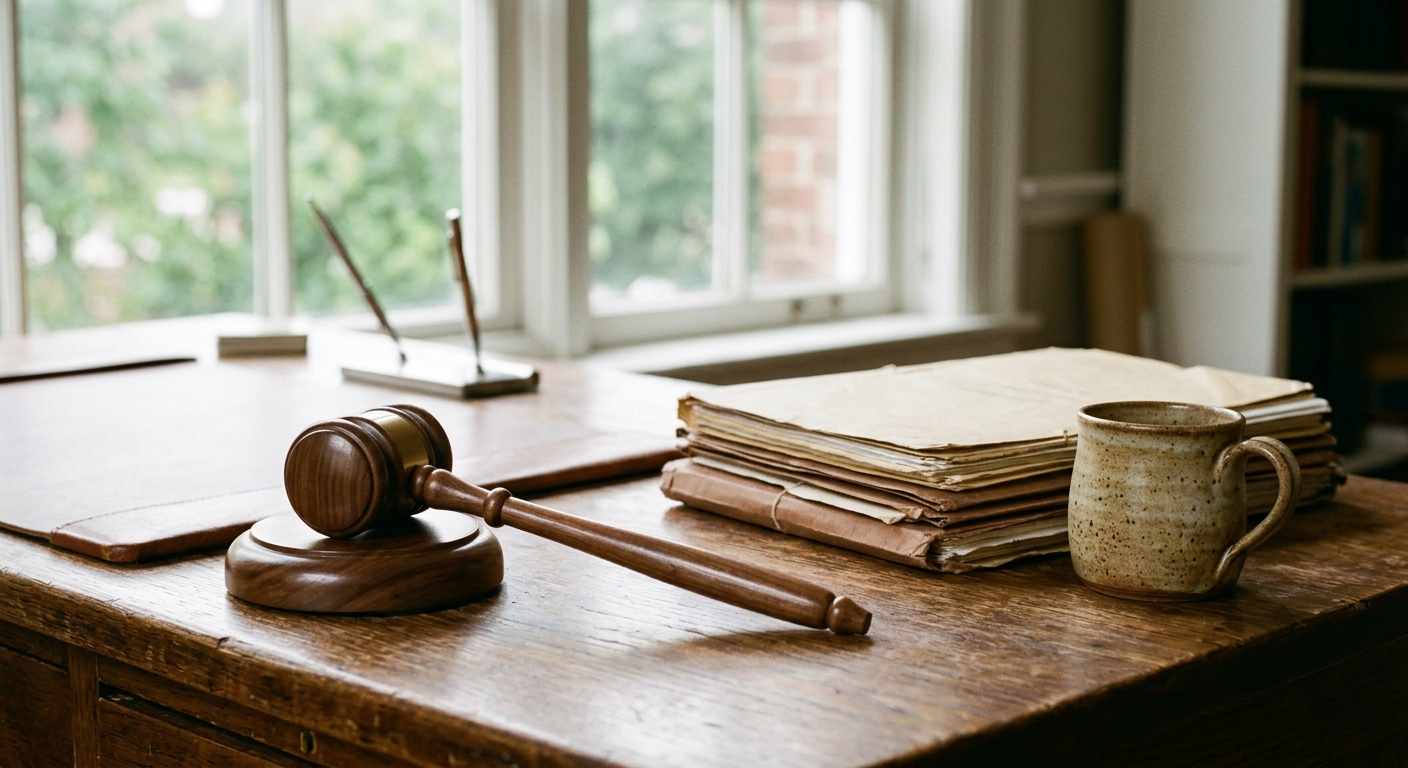
While the image of a judge brandishing a gavel endures, most ceremonial gavels in Washington State serve a symbolic role. Several supreme court justices possess elaborate or historic gavels collected over their careers. Chief Justice Debra L. Stephens is known for her collection of commemorative gavels, but like her peers, reserves their use for display rather than practical courtroom administration. These objects are appreciated for their legal symbolism and often become treasured keepsakes rather than tools of judicial tradition.
Judicial Anecdotes: Keepsakes, Not Command Tools
Across Washington’s legal community, stories abound of unique or decorative gavels received as gifts or acquired during landmark judicial events. For instance, justices may display these gavels in their offices, serving as reminders of career milestones or contributions to the legal field. Such judicial anecdotes underscore the distinction between ceremonial and functional items within legal workspaces.
The Role of Bailiffs and Evolving Judicial Practices
In situations where a gavel is present in a courtroom, it is most often wielded by a bailiff rather than by the presiding judge. This approach aligns with evolving judicial practices that favor clear verbal directives over physical cues. The tradition of the gavel thus serves less as a means to prompt silence and more as a symbol of judicial office and heritage.
Gavel Usage and Its Influence on Courtroom Decor
Despite their limited practical application, gavels still influence courtroom decor and the overall atmosphere of legal settings. Displays of finely crafted gavels in courtrooms and judges’ chambers add a touch of historical gravitas, supporting the dignified image of the judiciary for both Washington State residents and visitors.
Washington State’s Distinctive Approach
This nuanced understanding of gavel usage in Washington State highlights the judiciary’s commitment to efficiency, respect, and professionalism. Rather than relying on physical cues, regional judges reinforce order and decorum through their mastery of language and adherence to established norms of judicial tradition.
Ultimately, while gavels may remain an enduring symbol in legal iconography, their actual use among Washington State judges is more myth than reality—underscoring the role of dialogue and institution in establishing authority within the courtroom.