- calendar_today June 22, 2026
In Washington State, a recent anonymous letter circulating among Ballard residents has reignited a community debate over the use of meat smokers and their effect on the region’s renowned air quality. The message, which echoed concerns from various quarters, spotlights the increasing challenge of balancing culinary traditions with public health and environmental priorities in this corner of the Pacific Northwest.
Community Voices Air Smoke Nuisance
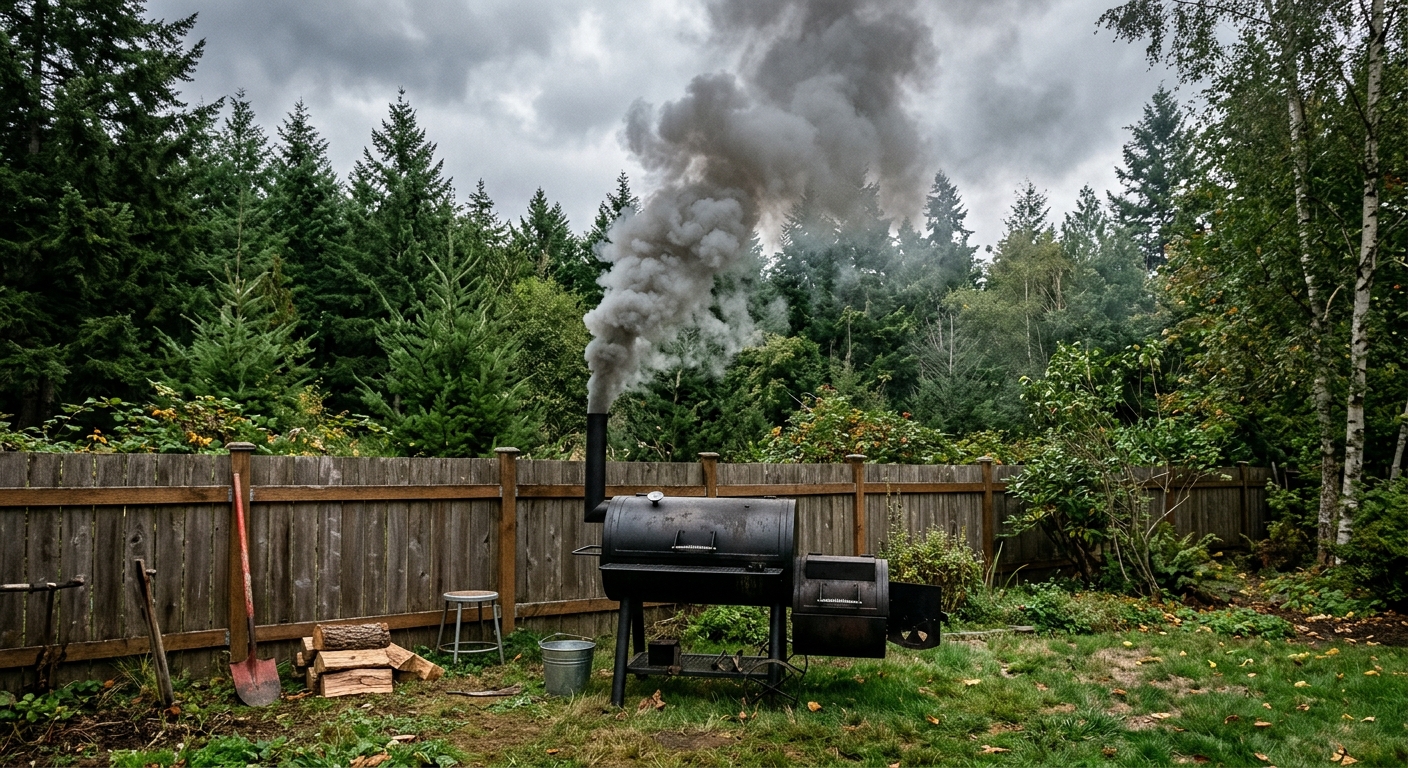
The issue came to the forefront as neighbors in Ballard shared frustrations over thick, lingering smoke drifting into their homes, particularly during peak grilling months. Reports indicate that residents who use air conditioning systems or prefer leaving windows open have found it difficult to escape the pervasive effects of airborne smoke, which has become a significant smoke nuisance. Many families and individuals have described being forced indoors or curtailing outdoor activities because of the discomfort brought on by neighborhood pollution.
The Neighborhood Pollution Dilemma
Advocates for a smoking ban argue that the pleasure a few take in outdoor meat smoking often comes at the expense of greater community well-being. According to several local environmental health groups, the cumulative effect of multiple meat smokers can lead to “neighborhood pollution” that worsens during periods of stagnant air. They point to the risk that such practices, when left unchecked, contribute not only to diminishing air quality in Washington State communities but may also impact vulnerable populations, including children, older adults, and those with respiratory conditions.
Balancing Culinary Traditions and Environmental Health
Barbecue and smoke-infused flavors are celebrated aspects of regional cuisine. Enthusiasts argue that responsible use of smokers adds to the cultural tapestry, while detractors emphasize health and environmental costs. Public health experts highlight that airborne smoke from domestic meat smokers contains particulates that can aggravate allergies and asthma, underlining the need for thoughtful regulation to preserve clean air. With air quality being a point of pride for so many in the Pacific Northwest, calls for a healthier living environment are resonating in towns and cities across the state.
Calls for Action: Smoking Ban and Regulatory Considerations
Local councils and neighborhood associations around Washington State are starting to review policies related to backyard barbecuing and meat smokers. Options being discussed range from community agreements to more formal bylaws instituting a smoking ban during times of elevated fire risk. These conversations are informed by warnings from fire authorities, especially with a challenging fire season predicted this year. Officials urge residents to be mindful that the smoking impact goes beyond immediate neighbors and can increase general wildfire risk when conditions are dry.
Preserving Clean Air in the Pacific Northwest
Washington State’s lush forests and rain-freshened air remain a source of regional pride. Community organizations are reminding residents that protecting environmental health requires both individual responsibility and collective action. With the annual fire season expected to strain firefighting resources, reducing neighborhood air pollution by limiting airborne smoke from meat smokers is being framed as an essential step. Many advocates are urging individuals to consider alternatives to traditional smoking or to restrict outdoor cooking during air quality alerts.
Looking Ahead
As summertime approaches, the dialogue about meat smokers, smoke nuisance, and air quality continues to evolve. In Washington State, residents are weighing the value of cherished culinary practices against the need to safeguard shared public spaces and outdoor enjoyment. The ongoing debate underscores a central challenge facing the broader Pacific Northwest: finding common ground between tradition and the imperative for clean, breathable air for all.