- calendar_today June 19, 2026
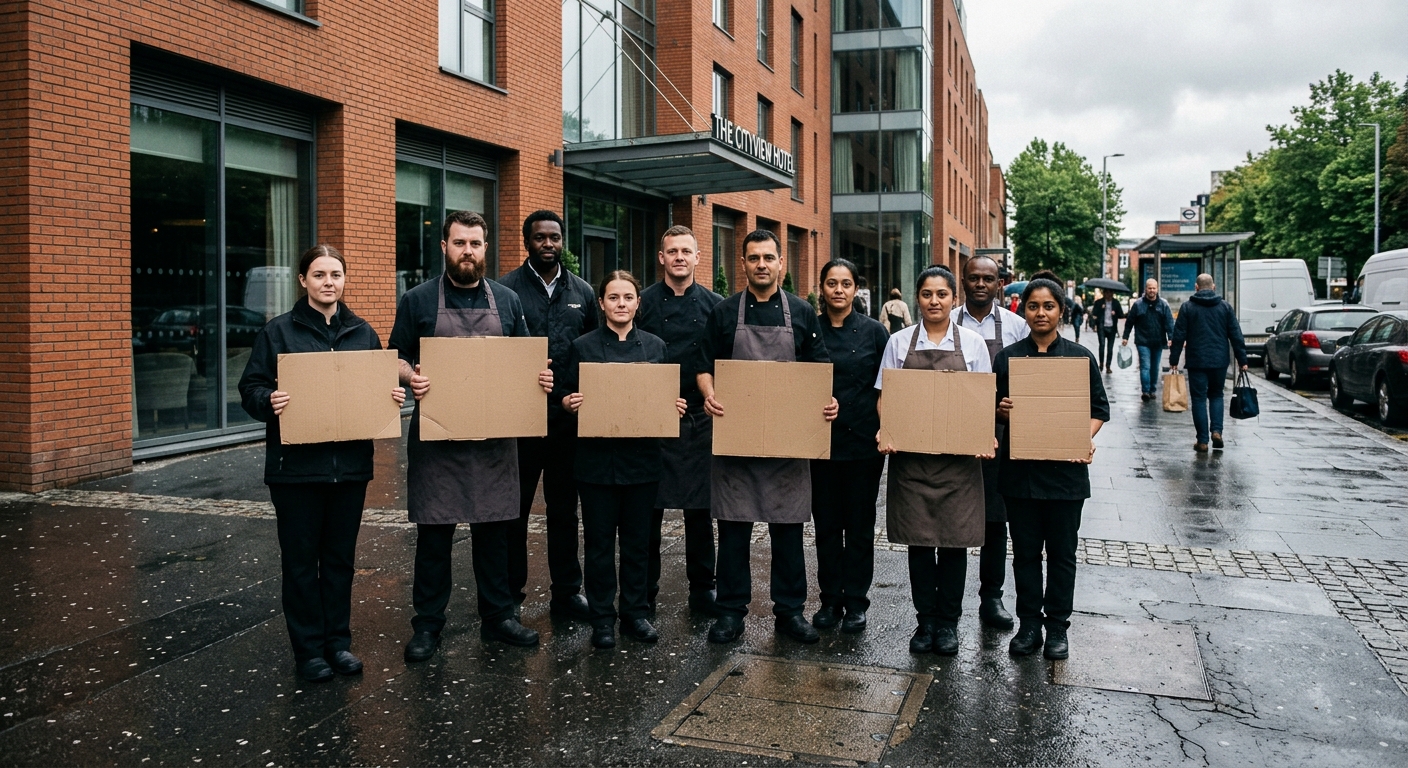
On the eve of a highly anticipated World Cup match in Seattle, Washington State is witnessing a significant hospitality workers strike involving staff at the Hilton Embassy Suites and the Walrus and the Carpenter restaurant. The action comes at a particularly busy time for the region’s hospitality sector, drawing attention from local communities and industry watchers alike.
Background: Twin Strikes Shake the Hospitality Sector
Employees at two well-known Seattle establishments—the Hilton Embassy Suites and the acclaimed Walrus and the Carpenter—have taken to the picket lines. The Embassy Suites staff are organized by Unite Here Local 8, while the Walrus workers are part of the recently formed United Creatures of the Sea union. Both groups voted for union strike authorization following unsuccessful talks with management over wage increases, working conditions, and labor rights. The strikes arrive as Seattle braces for an influx of visitors due to the World Cup, heightening the stakes for both workers and proprietors.
Hotel Workers Strike: Wages and Notification Policies at Issue
At the Embassy Suites, the hotel workers strike is rooted in ongoing wage disputes and calls for greater transparency concerning interactions with immigration authorities. The largely immigrant workforce is seeking a concrete ICE notification demand, requiring hotel management to inform employees if federal immigration officials are present on the property. Workers say that this measure is vital for their safety and peace of mind, especially amid increasing concerns about federal workplace audits in the region.
Restaurant Workers Strike: Service Charge Controversy and Income Loss
The Walrus and the Carpenter strike highlights a different but related set of issues. The restaurant workers strike began after management replaced the tip pooling system with a standard service charge, sparking a service charge controversy. Workers argue that the switch reduced their earnings and undermined workplace fairness. In response, the United Creatures of the Sea union was formed, bringing together employees seeking more equitable compensation and greater influence in workplace decisions.
Union Negotiations and Legal Complaints
Both unions cite stalled union negotiations and what they describe as unfair labor practices as the catalyst for their actions. The Walrus union has filed multiple complaints with the National Labor Relations Board, alleging violations of federal labor laws by restaurant management. For their part, management accuses the union of bargaining in bad faith but publicly maintains that they are committed to good-faith bargaining and fair agreements. The Embassy Suites strike similarly revolves around contested negotiations and allegations of employer misconduct.
Community Response: Public Support and Picket Lines
Despite the walkouts, both hospitality businesses remain open, utilizing non-union labor to keep operations running. Unions have called on patrons and members of the local community to show public support picket by avoiding crossing picket lines. The strikes have struck a chord with residents in Washington State, sparking conversations about labor rights, fair wages, and the treatment of hospitality industry employees throughout Seattle and beyond.
Broader Implications for Labor Unrest in Seattle
The events unfolding in Seattle reflect a broader wave of labor unrest seattle that has shaped workplace dynamics in recent years. These latest strikes underscore the importance of fair compensation, transparent policies, and respect for union representation in the hospitality industry. As negotiations continue, the outcome may influence not only local labor relations but also set a precedent for future disputes in similar sectors across Washington State.
Looking Forward: Stakeholders Seek Resolution
Both management and union representatives have voiced willingness to return to the bargaining table. The resolution of these high-profile strikes may hinge on the ability of both sides to address longstanding concerns around wage disputes, workplace rights, and respect for collective bargaining. As Washington State prepares to host international visitors for the World Cup, the focus on improving conditions and dialogue for hospitality workers remains a priority for many local stakeholders.