- calendar_today June 7, 2026
SEATTLE, Washington State — The trial over Denny Blaine Park, a prominent nude beach and safe space for the region’s queer community, opened this week as neighbors and city officials clashed over escalating public nuisance allegations.
Historic Gathering Place Faces Legal Scrutiny
Denny Blaine Park, overlooking Lake Washington, has long been valued as a welcoming retreat for LGBTQ+ residents and allies. Its status as a nude beach has come under increasing scrutiny, however, as neighbors in Washington State argue that public nudity and lewd conduct have transformed the area into a park nuisance that diminishes their quality of life.
Neighbors’ Complaints and Legal Arguments
The plaintiffs, led by adjacent homeowner Stuart Sloan, presented the court with video evidence depicting alleged public sex acts and recurring incidents of nude sunbathing. Their case draws on neighbors’ complaints of trespassing, harassment, and frequent public sex acts, contending that such behavior violates community standards. “We want the city to enforce the rules and restore the park for all neighbors,” Sloan testified.
Real Estate and Mental Health Concerns Voiced
Expert witnesses for the plaintiffs—ranging from real estate professionals to psychologists—claimed that the park’s reputation as a nude beach is depressing property values in the affluent neighborhood. One real estate agent noted declining interest among potential buyers, while a psychologist emphasized the risk of trauma for residents, including children, exposed to unexpected public nudity.
Fence Abatement Measures and City Defense
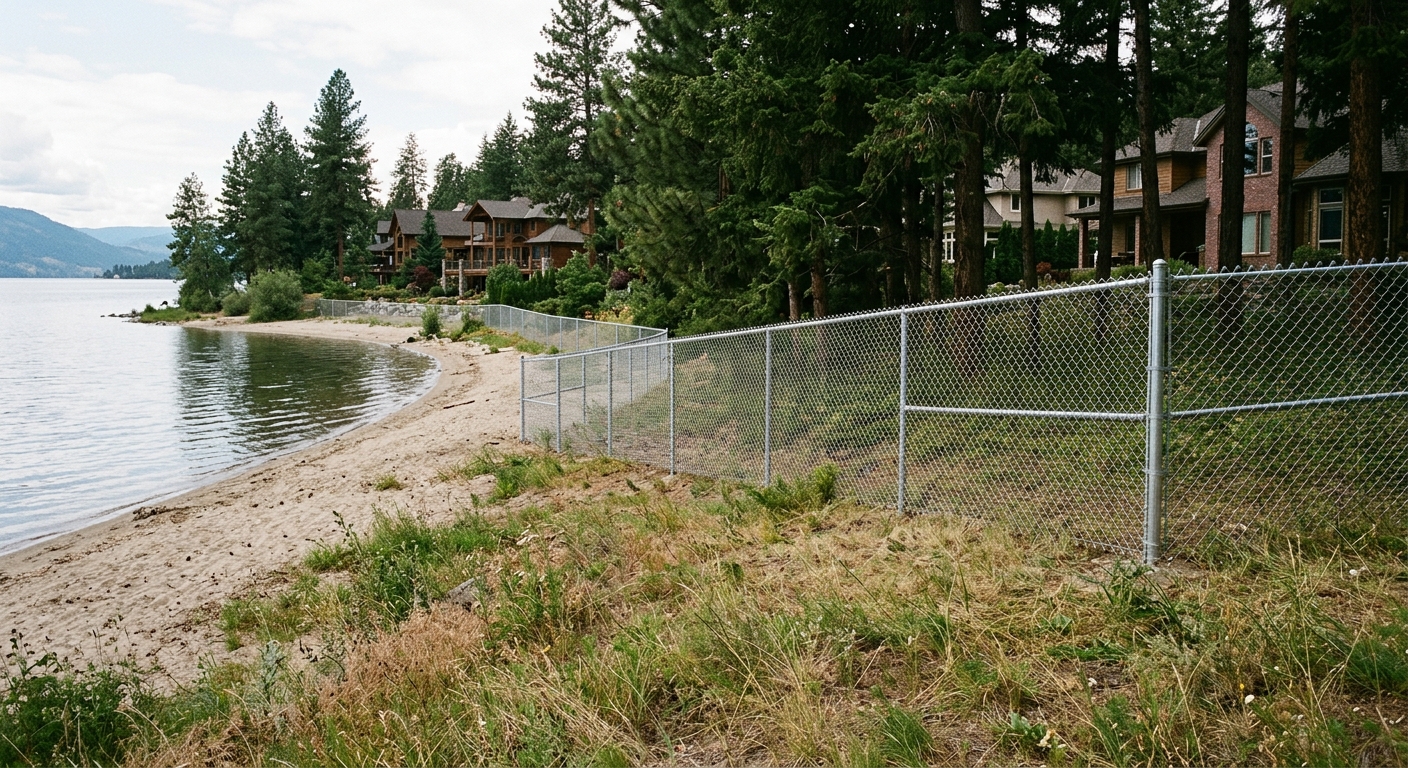
In response to mounting complaints, Seattle authorities installed a perimeter fence abatement in an attempt to curb illegal activity and restrict nighttime access. Nevertheless, neighbors argue the new fence is largely ineffective, with trespassing and lewd conduct still occurring regularly. The city contends it has acted reasonably given Washington State law and will use the next phase of the trial to detail enforcement efforts and defend against claims of negligence.
Seattle City Trial Explores Legal Nudity
The Seattle city trial highlights the complexity of policing public beaches that are unofficial but cherished nude gathering spaces. Under legal nudity statutes, toplessness is permitted in public parks statewide, while “obscene exposure” remains subject to prosecution. The city maintains it cannot lawfully enforce a blanket ban on nudity at Denny Blaine Park, and some residents argue that tolerance is essential for maintaining the park’s unique character.
Queer Community Fights for Safe Space
For the region’s queer community, Denny Blaine Park remains a vital sanctuary—one of the few places in Seattle where public nudity is accompanied by a sense of inclusivity and safety. Advocates argue that increased enforcement would disproportionately affect LGBTQ+ individuals and erode a rare communal space. “This is more than just a nude beach—it’s about visibility and acceptance,” one supporter told the court.
Debate Raises Broader Questions for Washington State
The case has galvanized debate throughout Washington State, highlighting the tension between neighborhood expectations and individual rights. The outcome is expected to shape local policy regarding park nuisance claims and set a precedent for similar disputes involving public nudity in shared recreational spaces.
The Road Ahead for Denny Blaine Park
As the trial continues, the city of Seattle is preparing to counter the plaintiffs’ assertions and defend its handling of the situation. The ultimate verdict will determine whether the park’s longstanding culture of legal nudity endures or gives way to stricter regulations in response to neighbors’ concerns. For many in Washington State, the case represents more than a local dispute—it’s a test of balancing public access, community standards, and the right to gather without fear of discrimination.